

Brought to you by Senior Research Analyst Wayne Shum
Housing market holds steady in May, despite growing pressures
The New Zealand residential property market has entered a period of consolidation following its April 2026 price peak. The national Valocity Value Index has remained largely flat throughout the year, recording a modest 0.1% monthly decline in May while remaining marginally positive year-to-date at +0.2%.
A combination of elevated housing supply, subdued net migration, and rising mortgage rates is continuing to constrain purchasing demand across the country. As a result, conditions have softened across major cities, with the April peak increasingly appearing to represent a near-term cyclical high for the market.
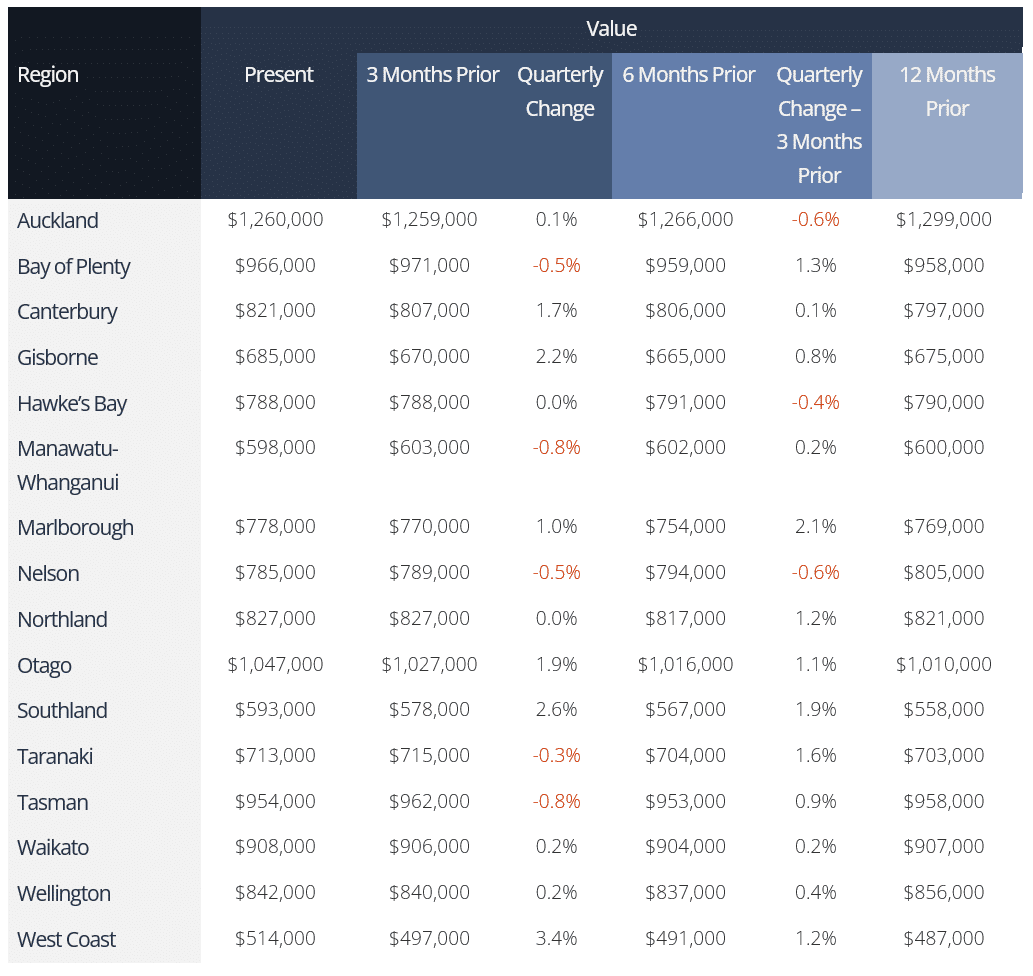
At the same time, a clear regional divide is emerging. South Island markets have generally outperformed over the past quarter, while many North Island cities have experienced weaker conditions and slower momentum.
Monetary policy remains a key factor influencing market sentiment. The Reserve Bank of New Zealand (RBNZ) held the Official Cash Rate at 2.25% at its May 2026 review. However, ongoing inflationary pressures, partly driven by oil price volatility associated with instability in the Middle East, are continuing to flow through the domestic economy. Reflecting these pressures, the RBNZ’s latest forecasts indicate higher interest rates for longer than anticipated in its February Monetary Policy Statement, with rate increases now expected from mid-2026.
Labour market conditions are also contributing to a more cautious housing environment. The national unemployment rate stood at 5.3% in the March quarter, and the RBNZ expects unemployment to remain around current levels for an extended period. Auckland, Bay of Plenty, and Wellington are experiencing a greater deterioration in labour market conditions than the national average, which is likely to weigh on household purchasing capacity and local housing market recovery.
Population growth is providing less support to the market than in previous years. Net migration remains low by historical standards and is expected to act more as a stabilising influence than a growth driver. Without a meaningful increase in population inflows, demand-side pressure on dwelling values is likely to remain limited throughout 2026.
Meanwhile, housing supply continues to favour buyers. Elevated levels of available stock across the country are limiting price growth and providing purchasers with greater negotiating power. With a substantial development pipeline still in place, supply conditions are not expected to tighten significantly in the near term.
Fiscal policy is also expected to play a role in shaping market conditions over the coming year. Budget 2026 provided little direct support for the property sector and was widely characterised as an atypical election-year budget, containing few surprises and no significant demand-side stimulus measures. Reinforcing this approach, the Finance Minister stated that the government “can’t borrow and spend our problems away.”
As part of its fiscal restraint programme, the government plans to reduce public service positions by 8,700 by 2029. This is expected to have the greatest impact on Wellington, where public sector employment is concentrated, creating an additional challenge for the region’s housing market recovery.
Reflecting the softer market environment, Treasury revised its house price growth forecasts downward in Budget 2026. The revision aligns with current market data and reinforces the increasingly broad consensus that house price growth is likely to remain modest at best over the near term.
With higher-for-longer interest rate expectations, ongoing fiscal restraint, election uncertainty, elevated housing supply, and subdued migration all weighing on market activity, conditions are expected to remain challenging through the remainder of 2026. While a gradual recovery is anticipated during 2027, this will depend on inflation easing and consumer confidence strengthening. For now, most independent forecasters continue to expect a broadly flat housing market for the balance of the year.
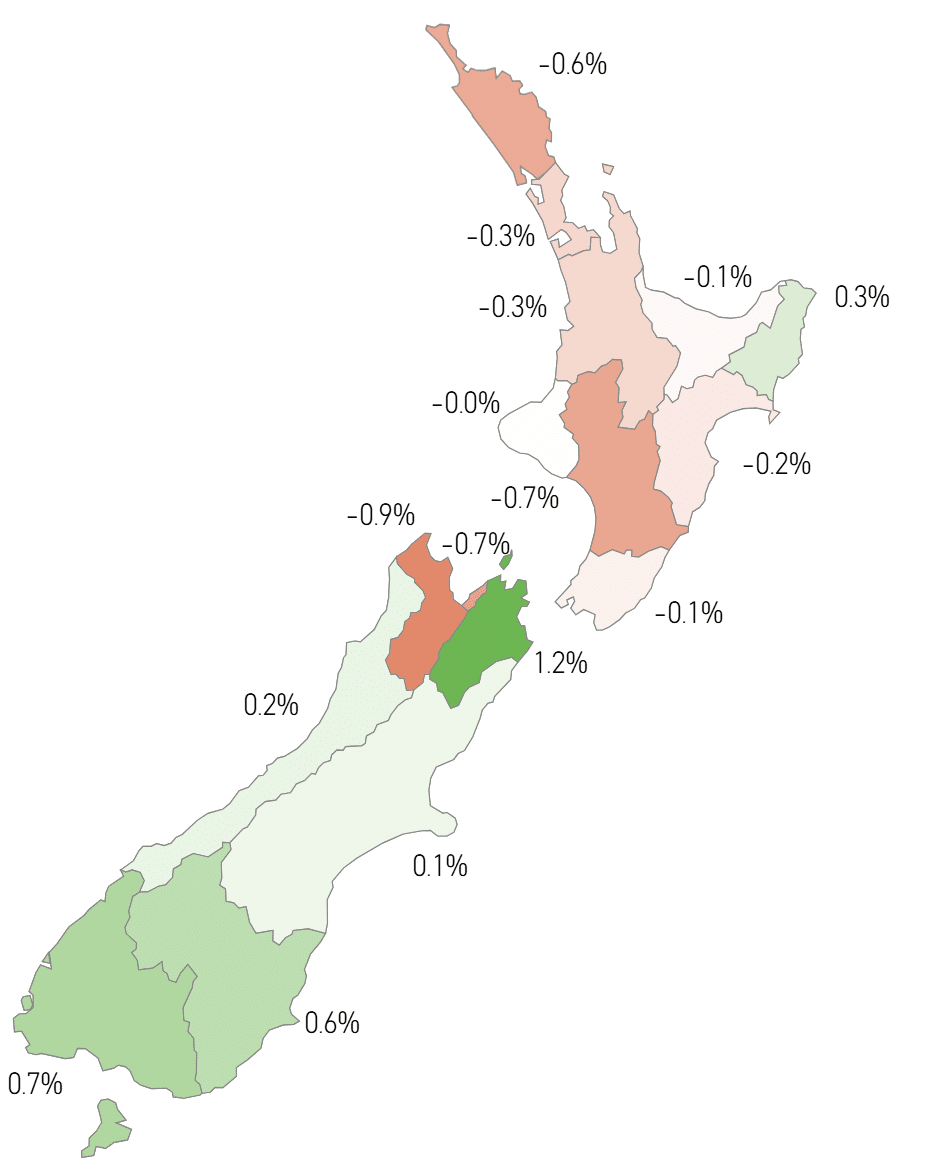
Figure 1: Valocity Value Index Monthly Movement by Region
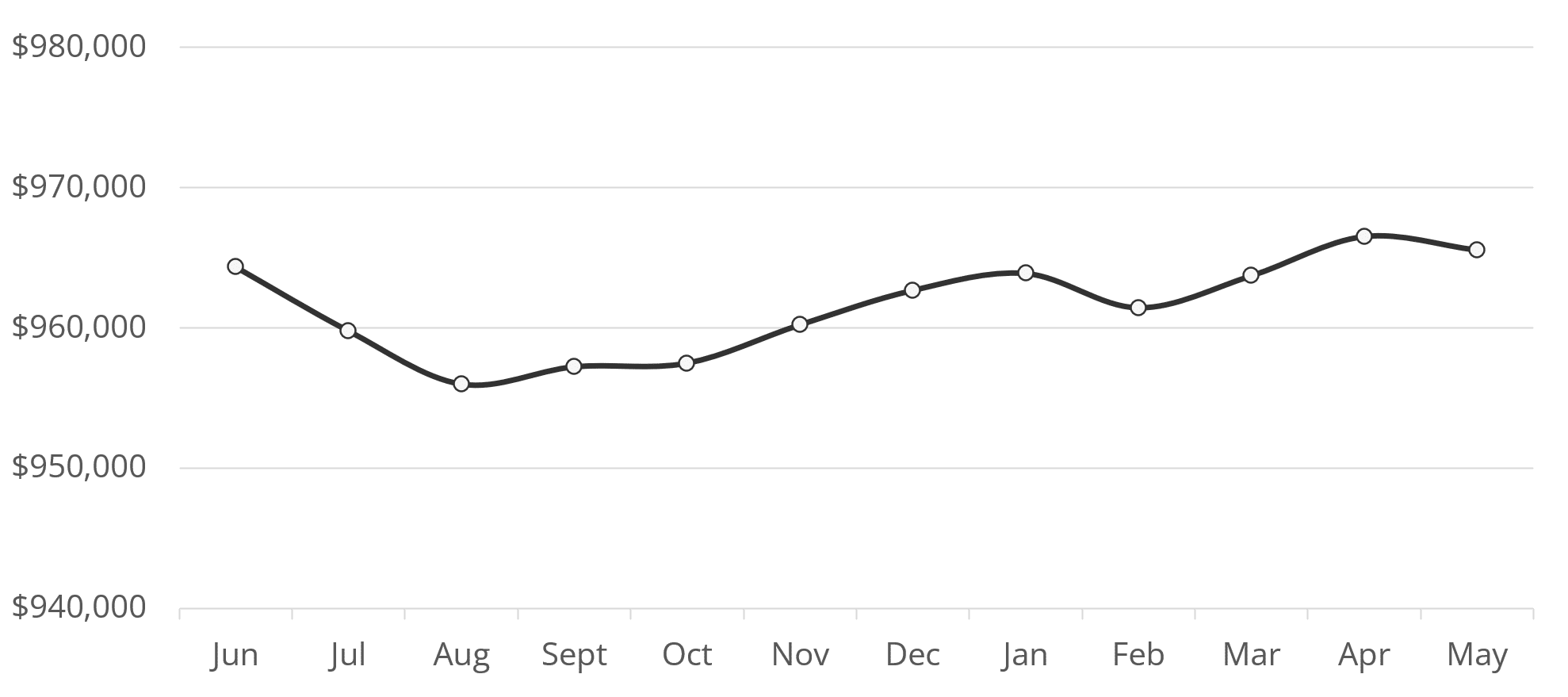
Figure 2: Valocity Value Index – New Zealand – Past 12 Months
Despite the OCR remaining unchanged at the May review, retail mortgage rates rose through the month, reflecting broader inflationary pressures in the domestic economy. The Valocity Value Index had already begun adjusting to deteriorating economic fundamentals, with values retreating from the April 2026 high.
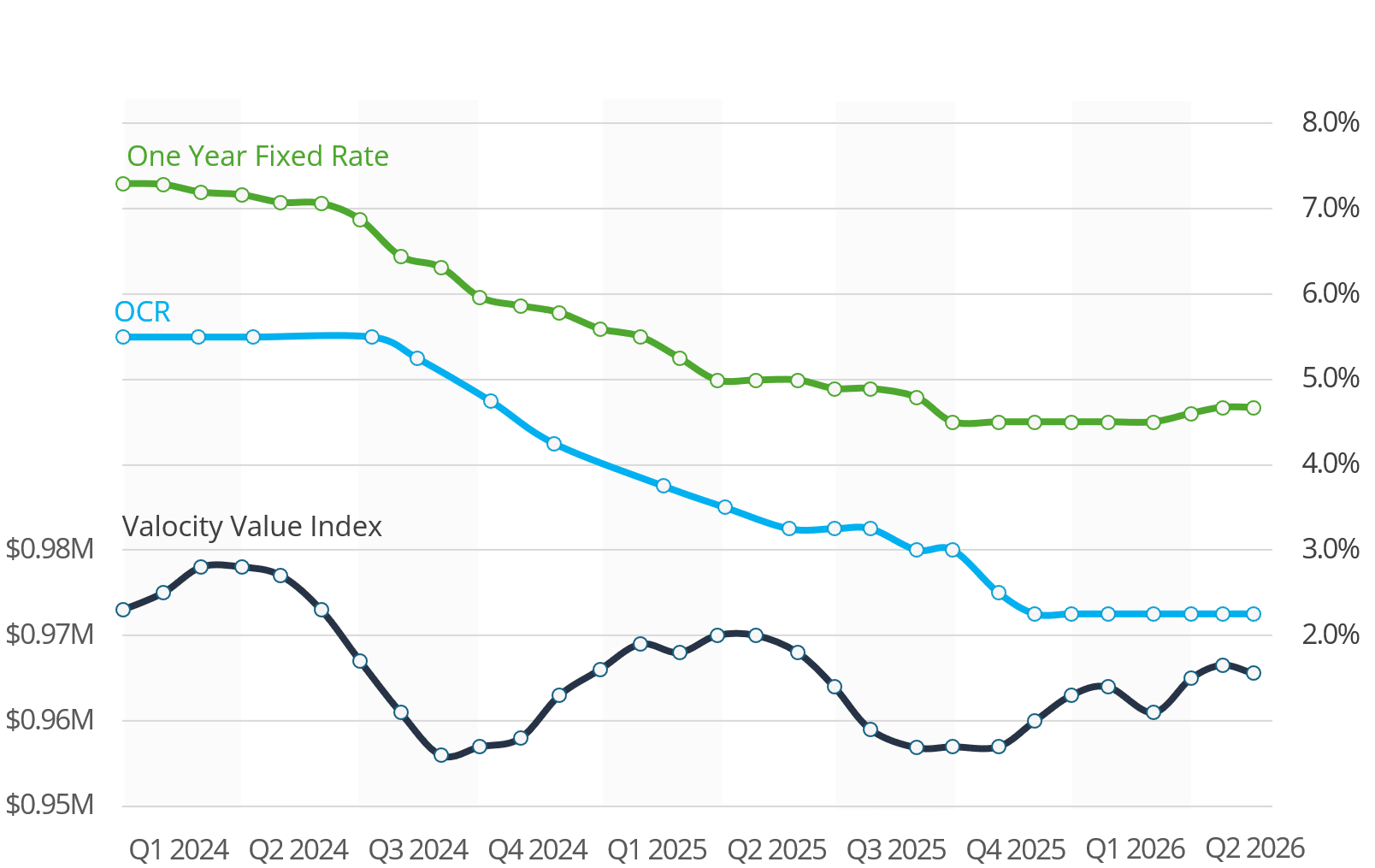
Figure 3: Valocity Value Index and Benchmark Rates
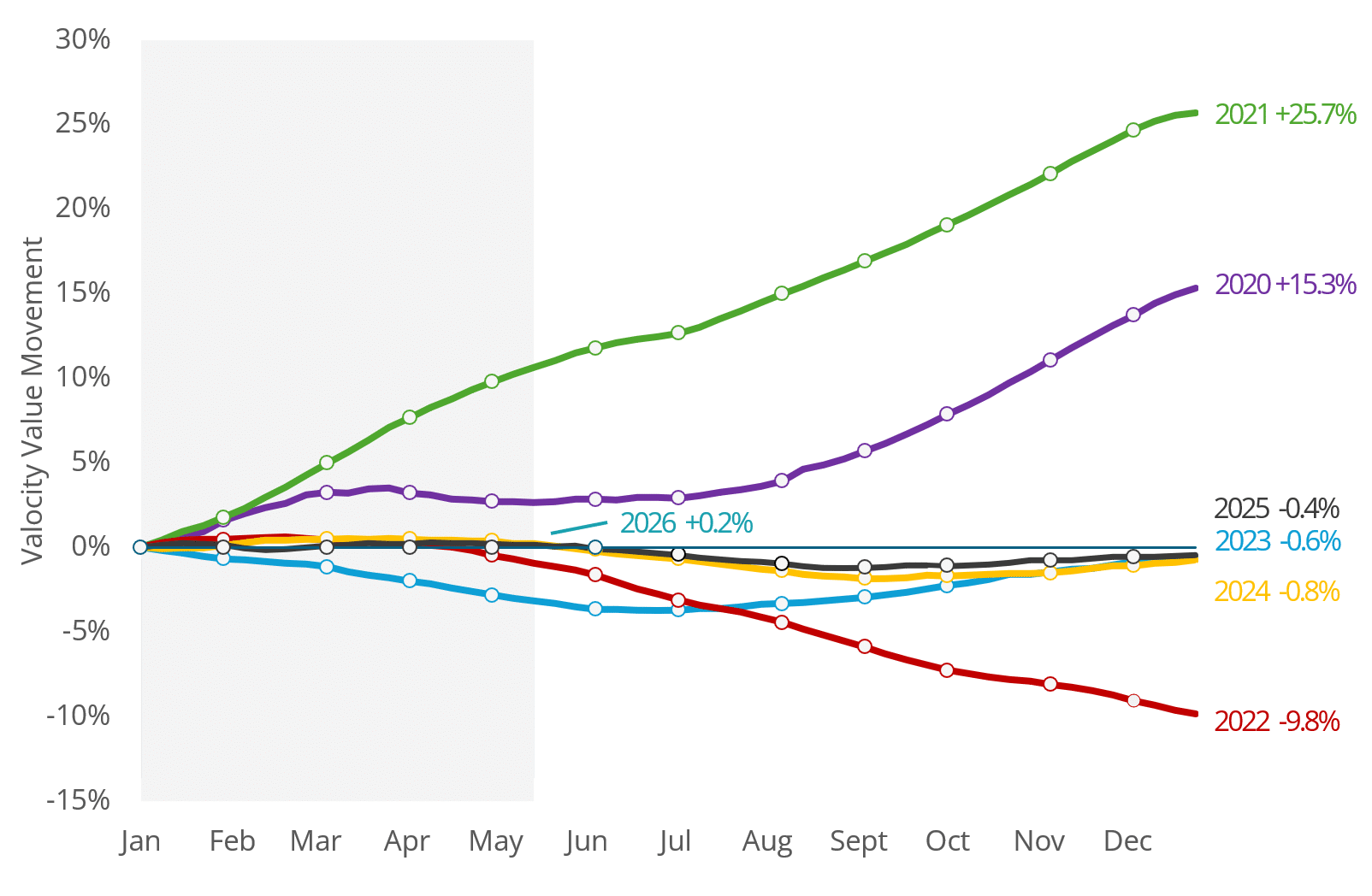
Figure 4: Valocity Value Index Movement – Year on Year Comparison
The national median sale price has fallen to $765,000 in Q2 2026, the lowest since Q1 2021.
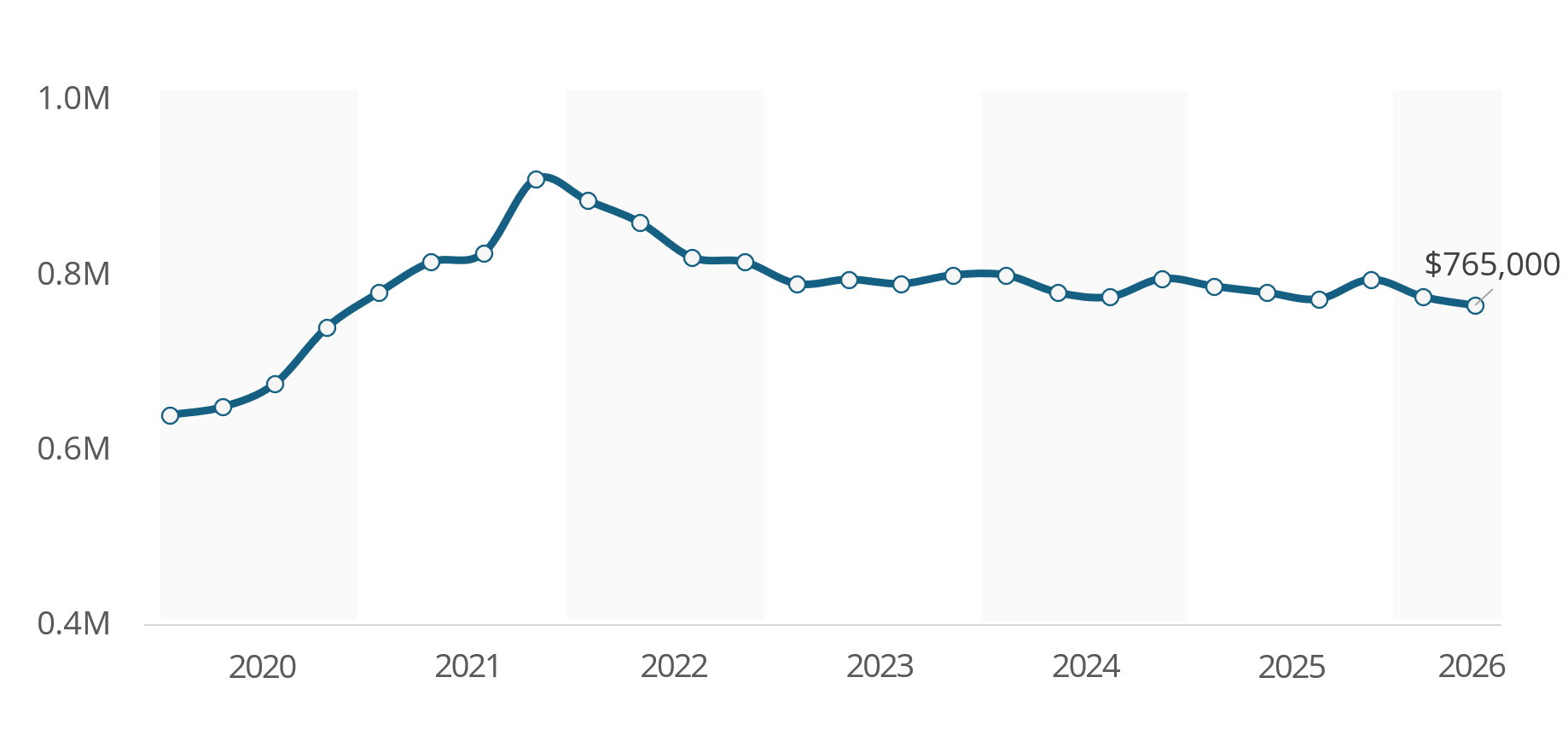
Figure 5: Median Sales Price (Settled Sales Only)
Net migration shows tentative signs of recovery, with the year ending March 2026 recording a net gain of 24,200 people. While this marks an improvement on recent lows, the figure remains modest by historical standards and is likely to provide a stabilising influence on housing demand rather than acting as a catalyst for value growth.
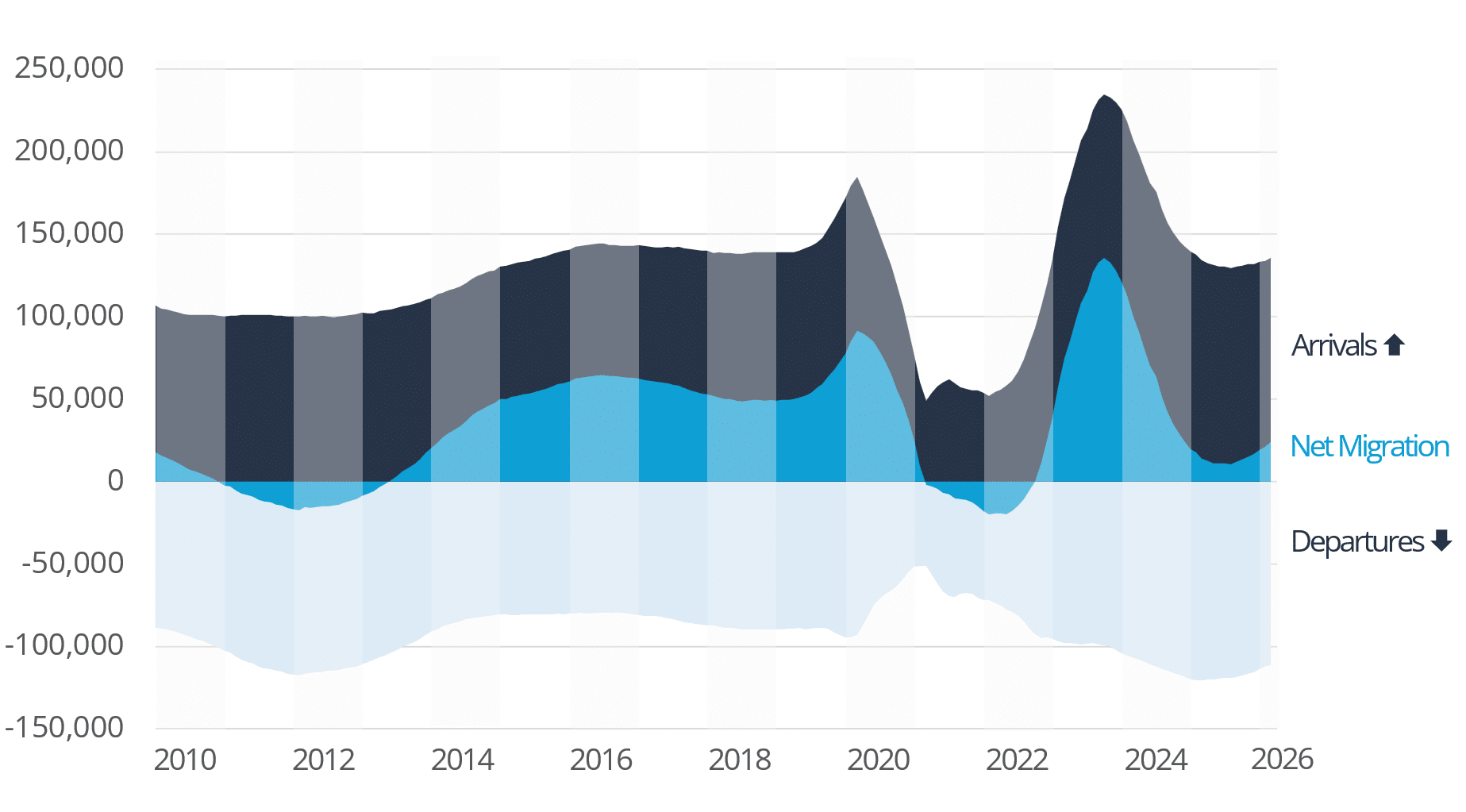
Figure 6: Annualised Net migration (Statistics NZ)
Construction
New dwelling consents totalled 37,013 in the 12 months to March 2026, representing an 11% increase on the previous year and providing a positive signal for recovery in the development sector. Canterbury led the rebound, recording consent volumes 21% above the prior year.
However, the March consent data largely reflects activity from the early stages of the Middle East conflict, before many of the subsequent cost pressures had fully emerged. Combined with rising mortgage rates, higher development costs, and reduced buyer confidence, conditions have become increasingly challenging for residential development activity.
As a result, while the uplift in consent volumes is encouraging, it should not be viewed as a guarantee of future construction activity. A meaningful proportion of the current development pipeline is unlikely to proceed without a significant improvement in either cost conditions or presale confidence.
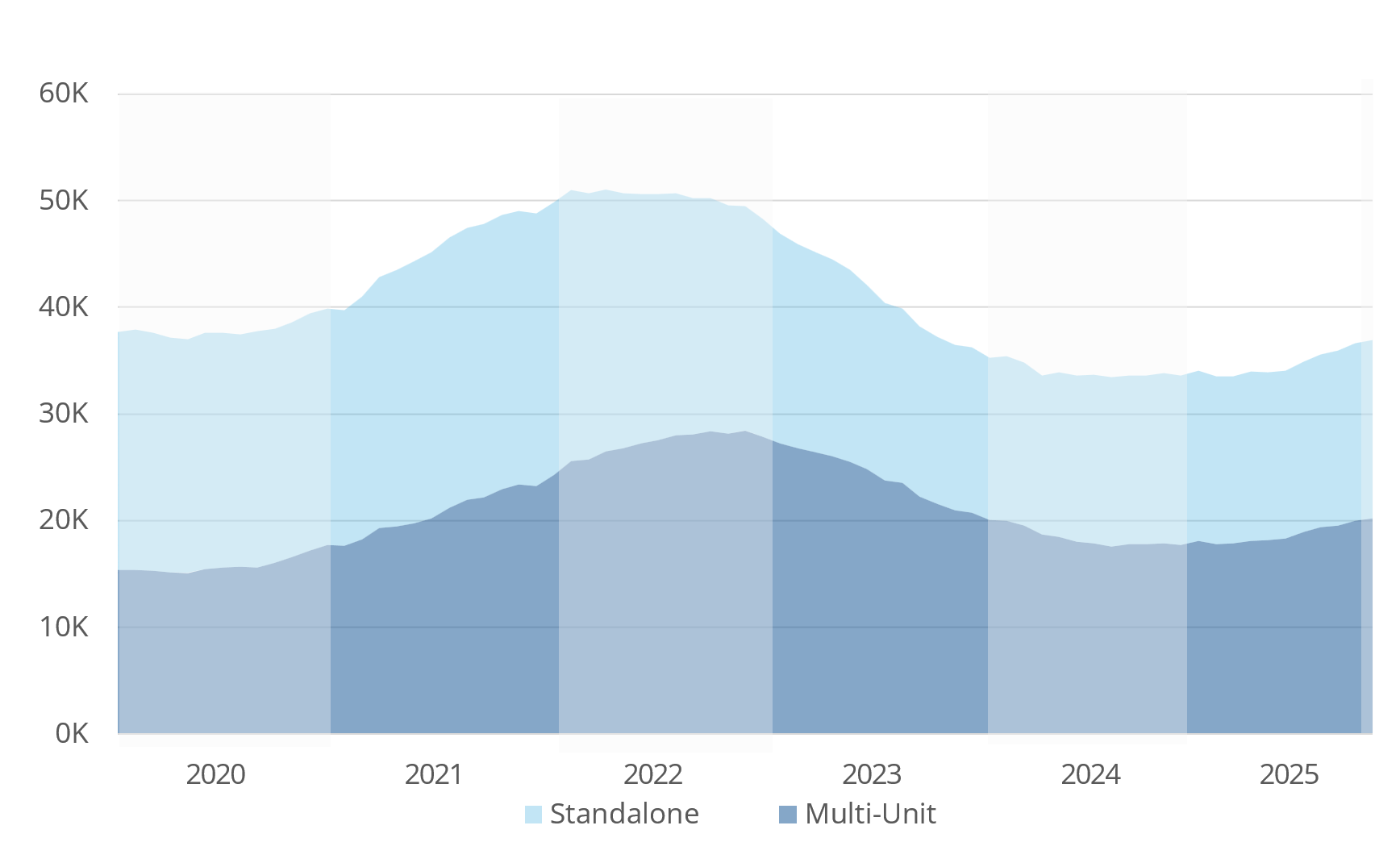
Figure 7: Composition of New Homes Consented – Annualised (Statistics NZ)
Valocity values
On the horizon
- Gross Domestic Product data from Stats NZ – 18th June 2026
- Monetary Policy Review by RBNZ – 8th July 2026
- Consumers Price Index (CPI) data from Stats NZ – 21st July 2026
- Unemployment Rate data from Stats NZ – 5th August 2026
For further information, or if you would like to understand more about New Zealand housing market insights please contact [email protected].