

Brought to you by Senior Research Analyst Wayne Shum
Global pressures reshape the housing market in April 2026
The New Zealand property market has entered the second quarter of 2026 against a more complex and uncertain environment than anticipated at the beginning of the year, shaped by the ongoing geopolitical tensions in the Middle East.
While the Reserve Bank of New Zealand’s easing cycle, which brought the Official Cash Rate (OCR) to decline through 2024 and 2025, initially supported buyer sentiment, a combination of emerging headwinds has since moderated this market momentum.
Annual CPI inflation held at 3.1% in the March 2026 quarter, remaining above the RBNZ’s 1-3% target band. Electricity and fuel costs were key contributors, with the full impact of the Middle East conflict yet to be reflected in the data, as secondary cost pressures continue to build. Against this backdrop, residential market conditions in early 2026 remain constrained by subdued economic momentum, influenced in part by global developments. The Valocity Value Index remained broadly flat, increasing by 0.2% in April and 0.3% over the past quarter.
Regional performance continues to show clear divergence. The Valocity Value Index in Canterbury, Southland and the West Coast have reached record highs. In contrast, Auckland continues to underperform, recording a 0.1% decline over the past quarter, despite a modest 0.1% increase in the most recent month. Market conditions in the region remain impacted by pockets of oversupply and softer employment dynamics.
Labour market conditions have also weakened. The unemployment rate rose to 5.4% in the December quarter, the highest level in more than a decade. This reflects both job losses and constrained hiring activity, which are weighing on buyer serviceability and limiting risk appetite, particularly in more leveraged urban markets such as Auckland.
Net migration has re-emerged as a medium-term support for housing demand. Annual net migration increased to approximately +25,000 people in the year ended February 2026, following a recovery from the trough observed in mid-2025. While this provides a fundamental tailwind, particularly in Auckland, the inflow is occurring alongside a softer labour market and an expanded housing supply pipeline. As a result, migration is acting more as a stabilising force in 2026, rather than a catalyst for renewed price growth.
Recent adjustments to overseas investment settings have led to a modest increase in interest; however, foreign participation remains concentrated in premium residential and lifestyle segments and is not a material driver of broader market activity.
Looking ahead, Budget 2026 is scheduled for release in May, set against a challenging pre-election environment. Credit rating agencies Moody’s and Fitch have both revised New Zealand’s outlook downward, citing risks associated with the global economic backdrop. The finance minister has reiterated a commitment to fiscal restraint, noting that the government “can’t borrow and spend our problems away,” and signalling that a stimulus-style response to current economic pressures is unlikely.
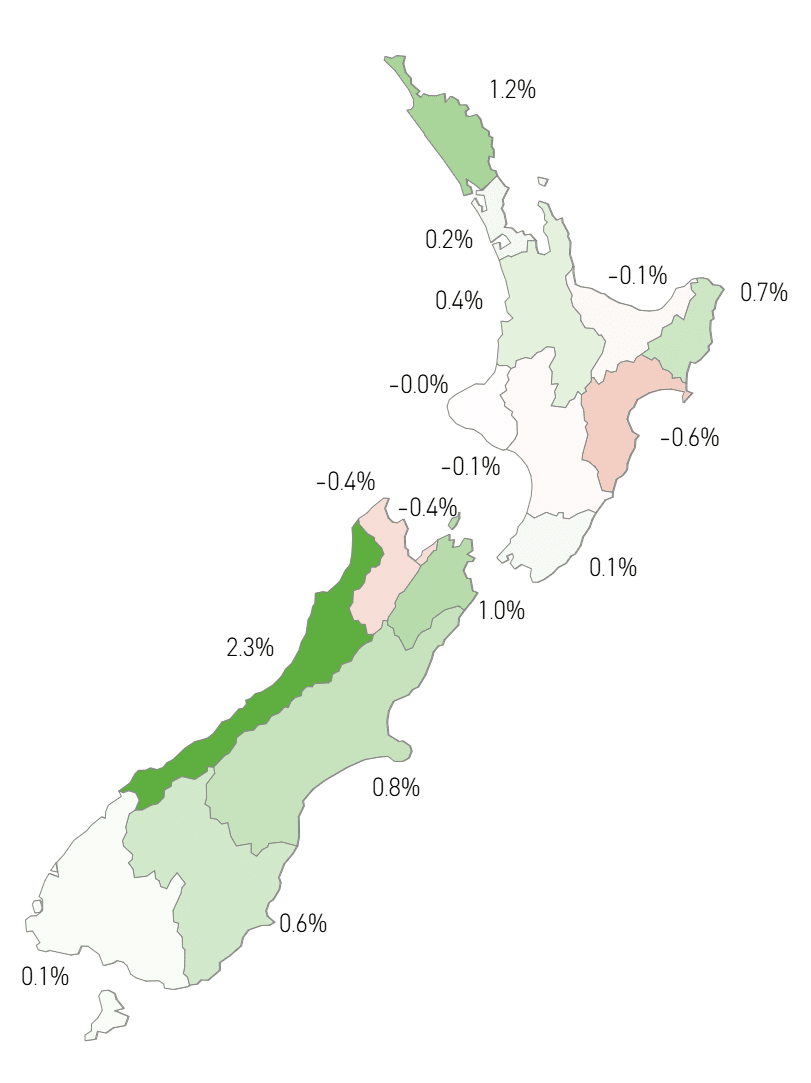
Figure 1: Valocity Value Index Monthly Movement
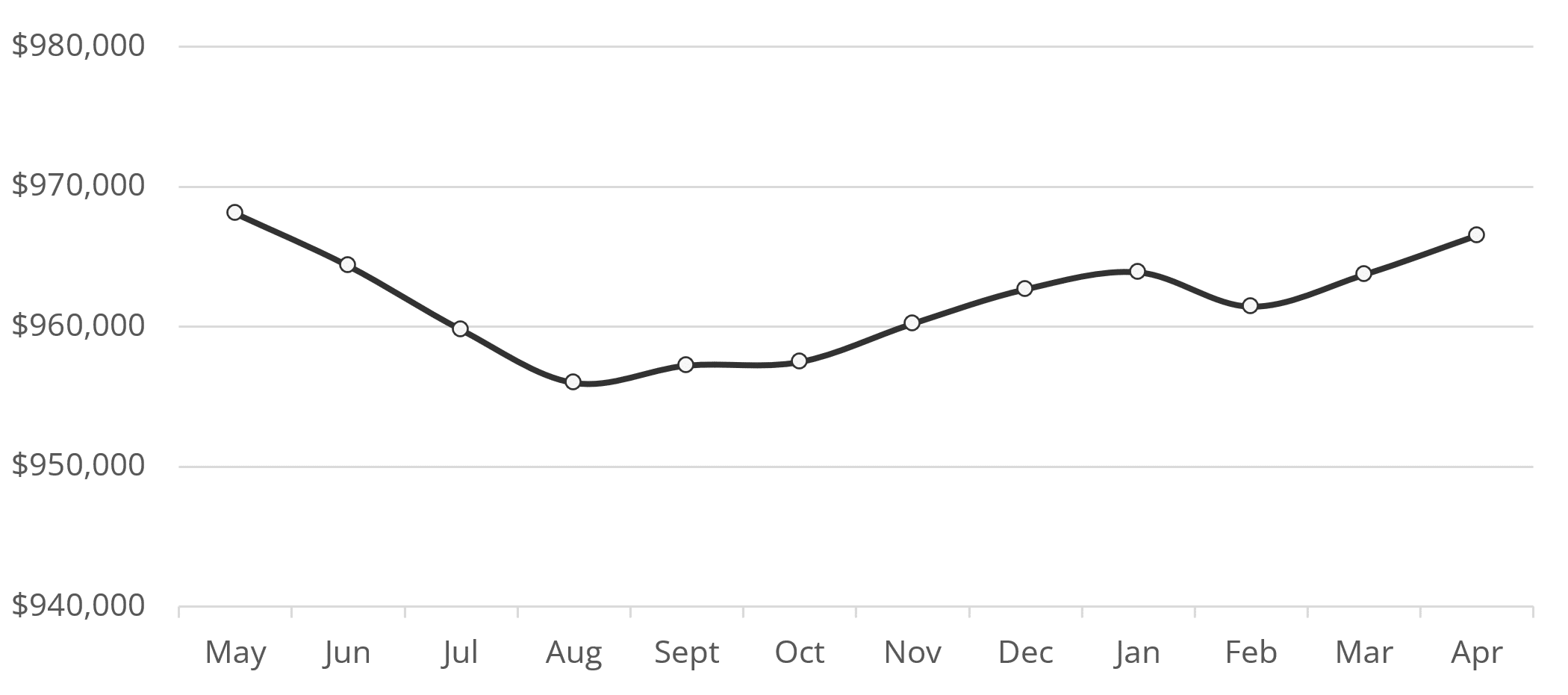
Figure 2: Valocity Value Index – New Zealand – Past 12 Months
In late March, the Governor of the Reserve Bank of New Zealand emphasised a focus on medium-term inflation, reinforcing this stance following the 8 April OCR review, where the rate was held at 2.25%. Despite this, mortgage rates increased through April in line with rising wholesale rates, as the RBNZ forecast inflation could reach 4.2% in the second quarter of 2026. By month-end, the Treasury released a worst-case scenario estimating the economic impact of the conflict could push conditions to 7.4% if it intensifies and persists, exceeding the 32-year high of 7.3% recorded in June 2022. The fragile economic recovery is now delayed rather than derailed.
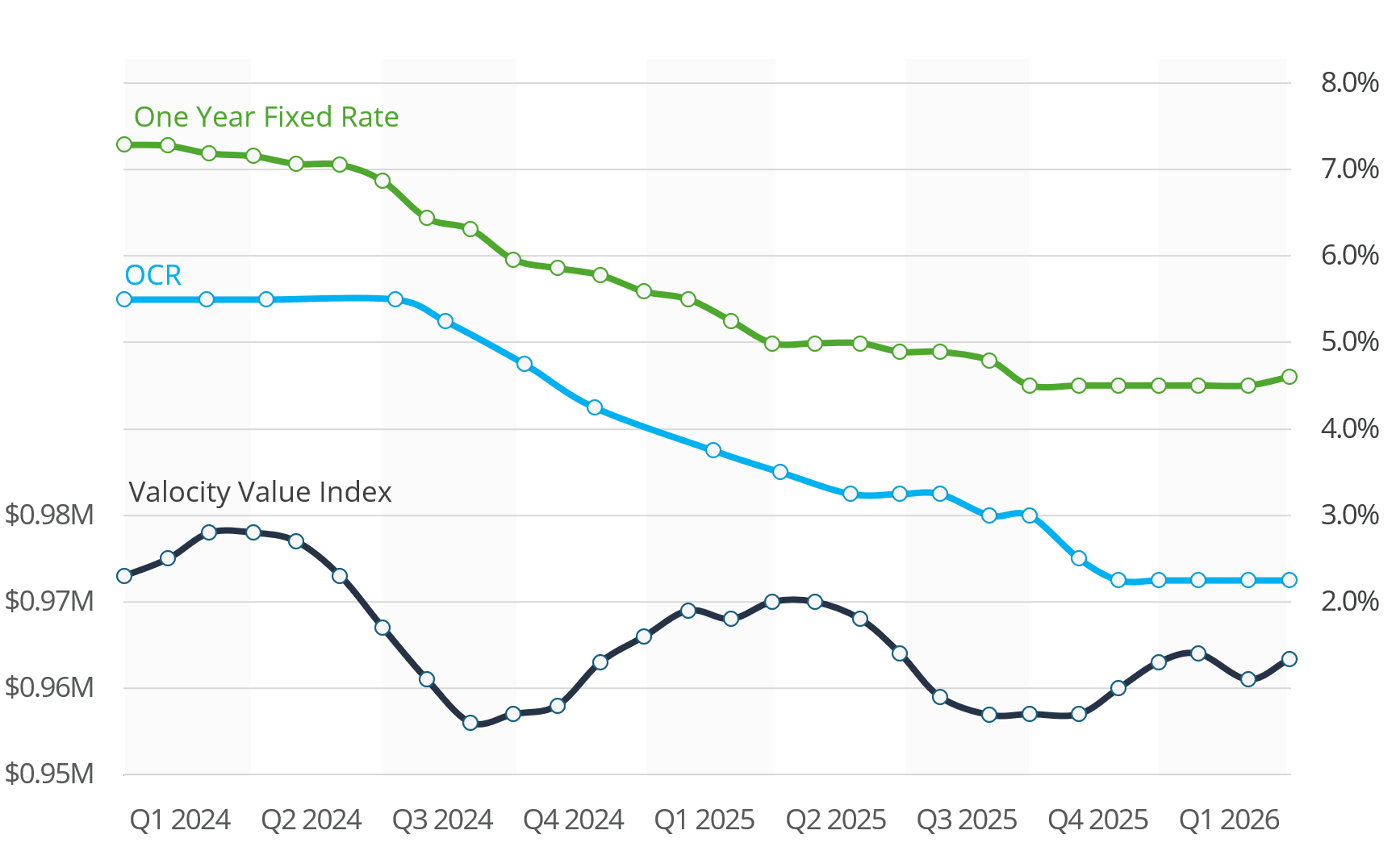
Figure 3: Valocity Value Index and Benchmark Rates
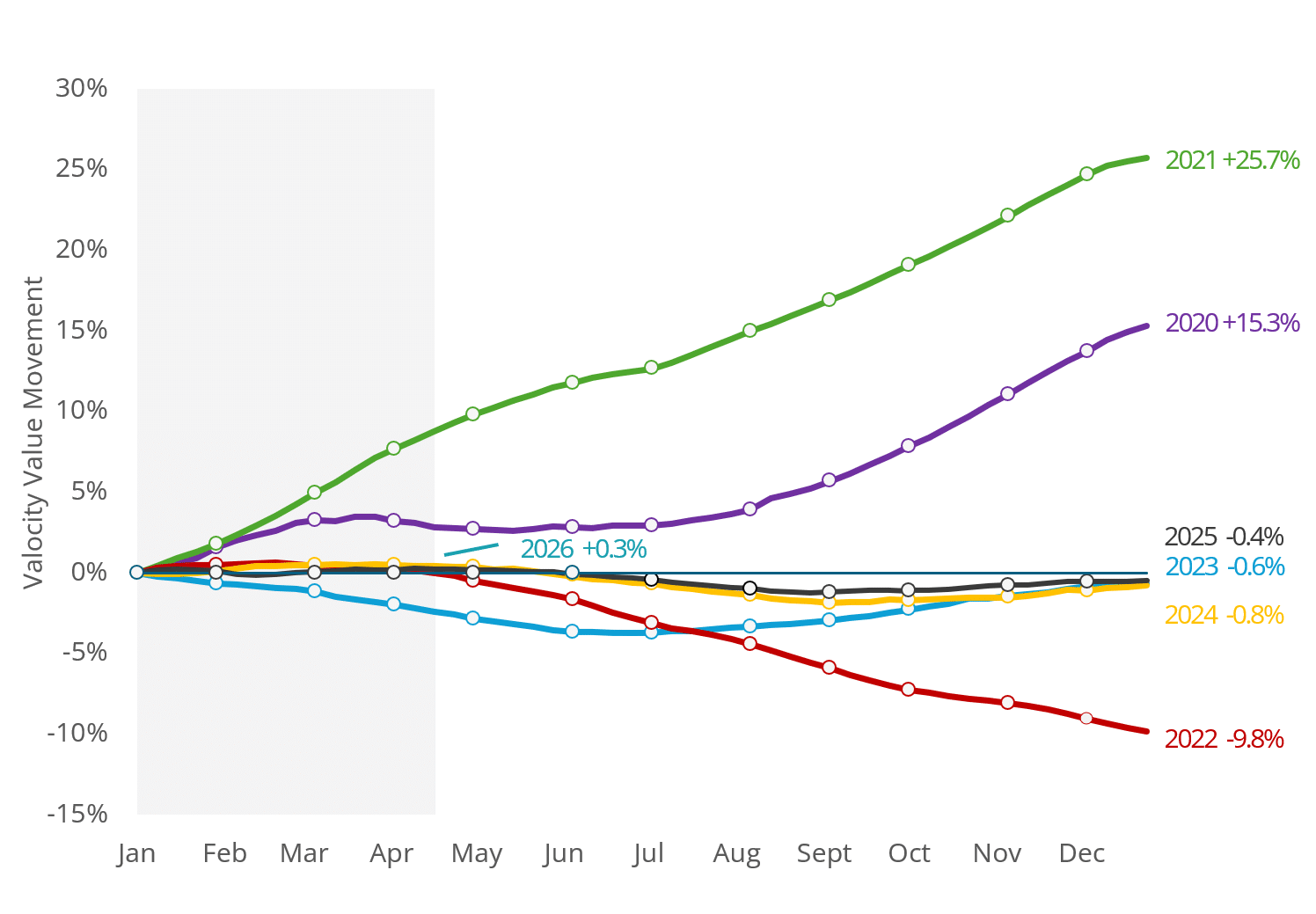
Figure 4: Valocity Value Index Movement – Year on Year Comparison
The national median sale price has fallen from $790,000 in Q4 2025 to $763,000 in Q1 2026 to date.
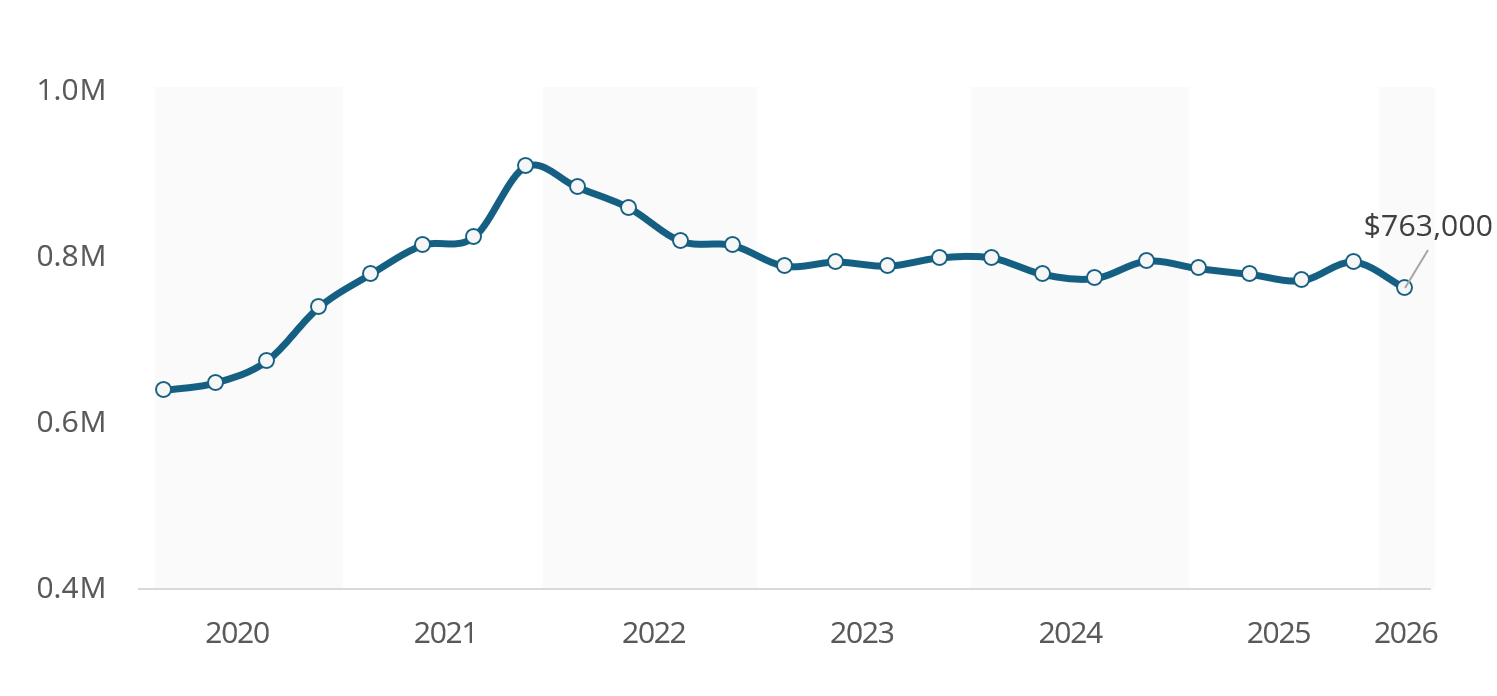
Figure 5: Median Sales Price (Settled Sales Only)
Net migration is rebounding, with the year ending February 2026 recording a net gain of 25,200 people.
The net loss of New Zealand citizens fell to 36,400 from 44,100 in the 12 months ended February 2025. The improvement was driven by slightly fewer departures (down 7%) and higher arrivals (up 10%) compared with the previous 12 months, suggesting outward migration pressures may be easing.
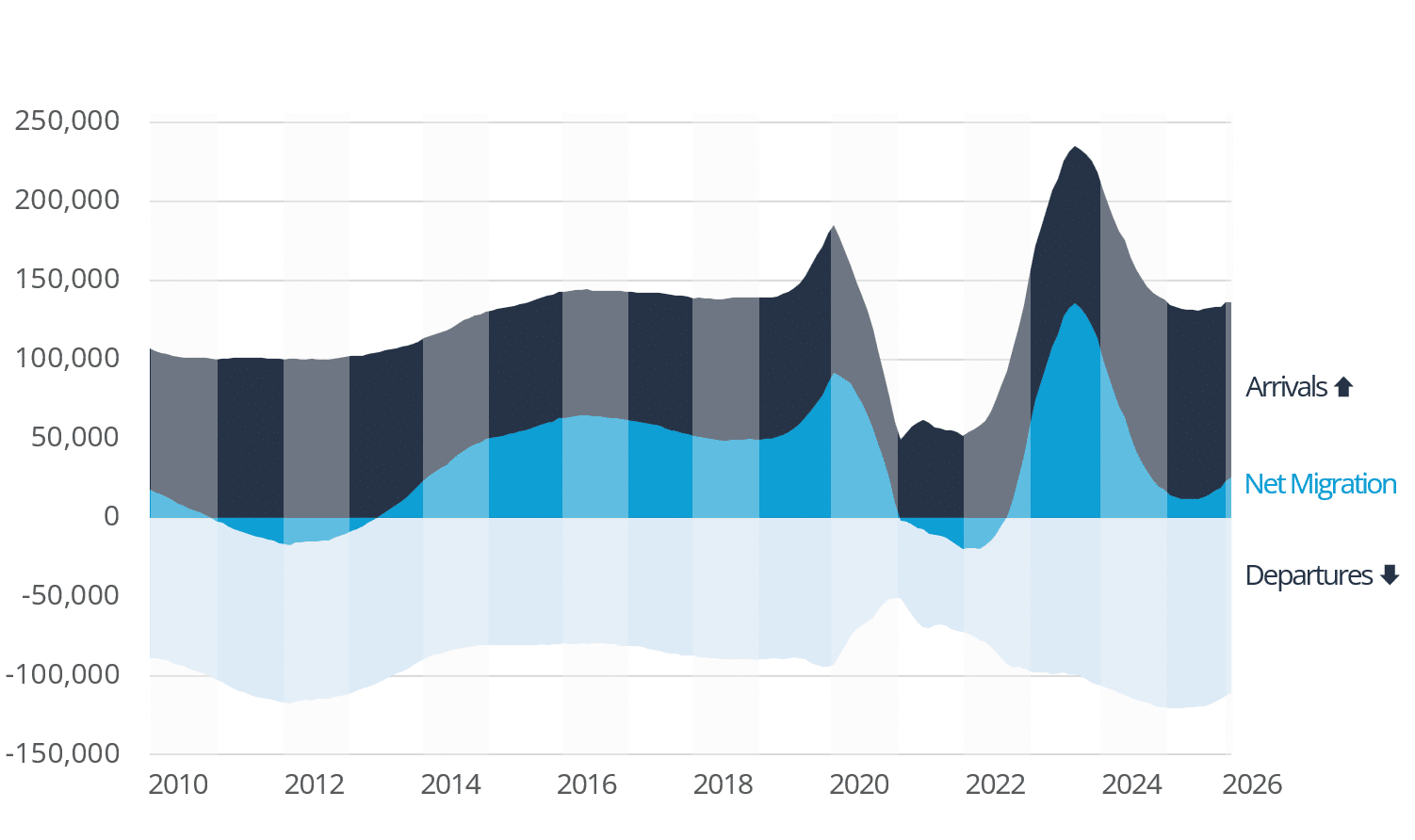
Figure 6: Annualised Net migration (Statistics NZ)
Construction
New dwelling consents totalled 37,534 in the 12 months to February 2026, representing a 12% increase on the previous year and signalling a gradual recovery in pipeline supply. Auckland led this rebound, with consent volumes rising 16% year-on-year.
However, the sector is now facing a renewed cost headwind. The ongoing Middle East conflict has contributed to sharp increases in the price of petroleum-derived building materials; including plastics, adhesives, sealants, and insulation, while the construction industry’s reliance on diesel has further intensified these pressures. Statistics New Zealand data for March 2026 recorded diesel prices rising 43% in a single month, significantly lifting the cost of machinery operation, earthworks, and materials transport across the sector.
At the same time, rising mortgage rates are tempering buyer demand, as fixed-term borrowing costs continue to move higher. This combination is placing increasing pressure on the feasibility of many consented projects. As a result, consent does not necessarily translate into construction activity, and a portion of the current pipeline may not proceed without an improvement in cost conditions or greater confidence in pre-sales.
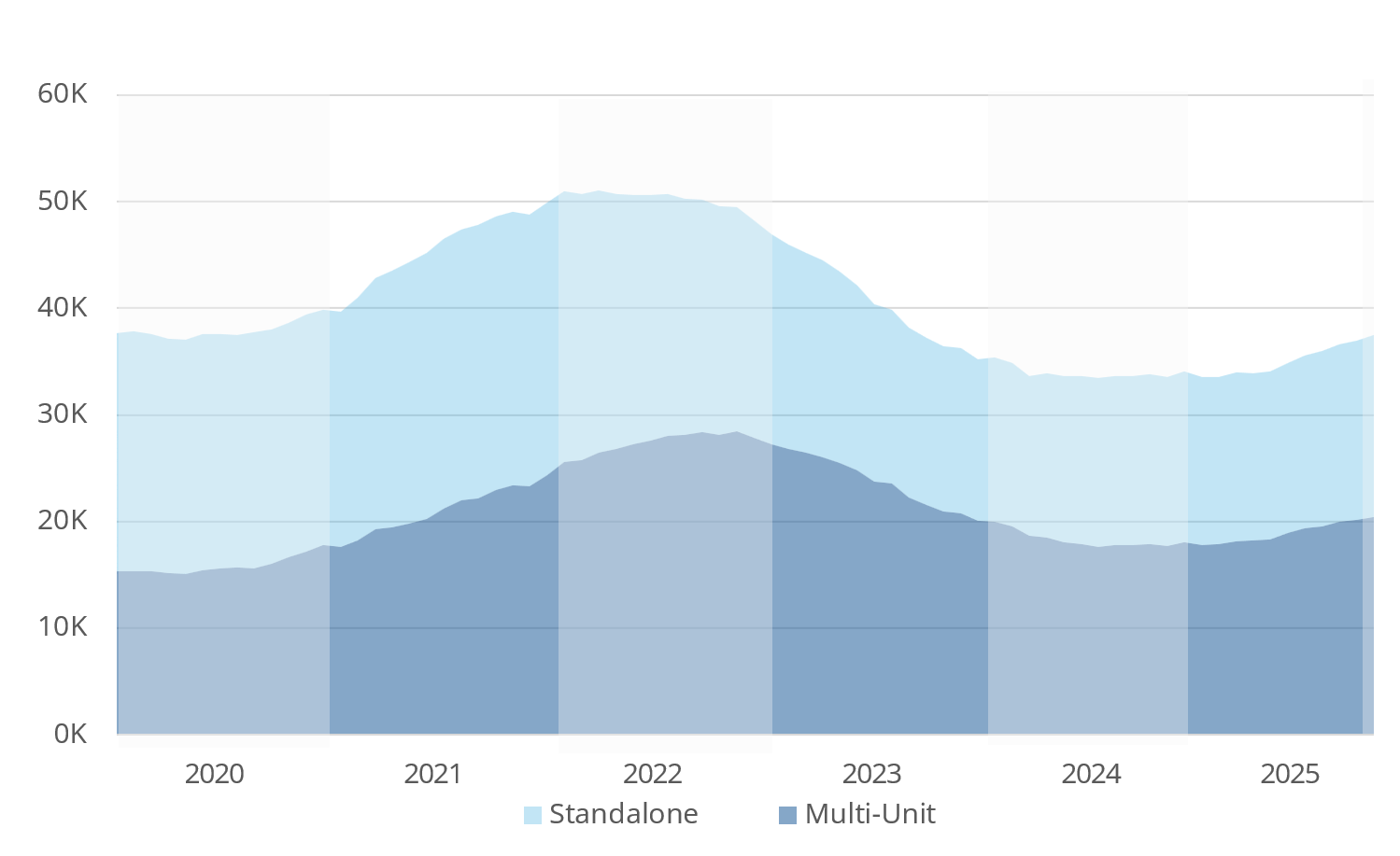
Figure 7: Composition of New Homes Consented – Annualised (Statistics NZ)
Valocity values
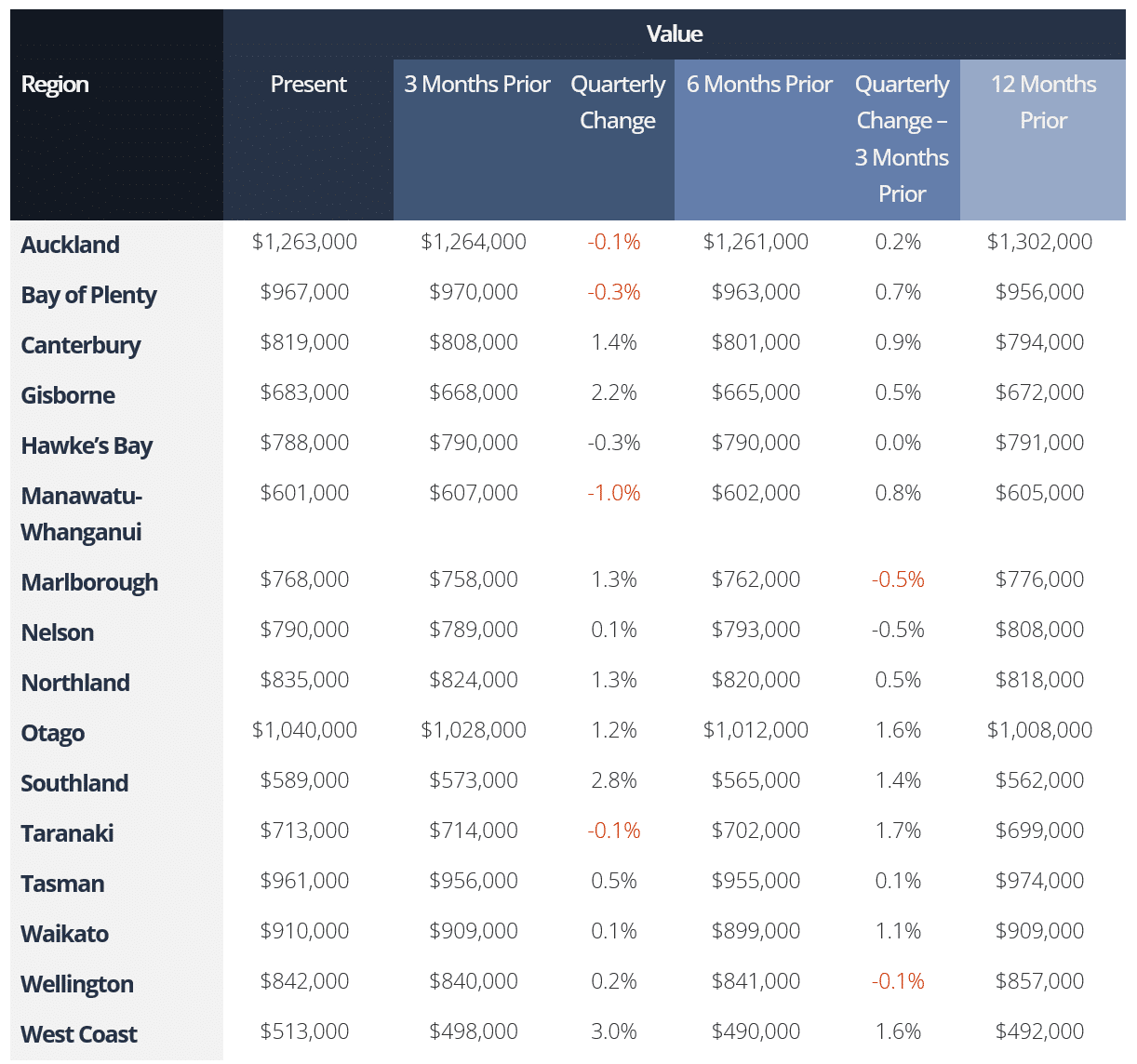
On the horizon
- Financial Stability Report from RBNZ – 6th May 2026
- Unemployment data from Stats NZ – 6th May 2026
- Monetary Policy Statement and OCR Review – 27th May 2026
- Budget 2026 – 28th May 2026
- Gross Domestic Product data from Stats NZ – 18th June 2026
For further information, or if you would like to understand more about New Zealand housing market insights please contact [email protected].