

Brought to you by Senior Research Analyst Wayne Shum
Caution in the housing market: March 2026 snapshot
The Valocity Value Index recorded a modest increase of approximately $2,000 in March, reaching $963,000. Despite this monthly uplift, values remain broadly unchanged compared to three months prior, with the Index holding steady at a national level since the beginning of the year. Ongoing geopolitical tensions in the Middle East are expected to moderate both the pace and extent of New Zealand’s economic recovery, and in turn, any sustained house price growth.
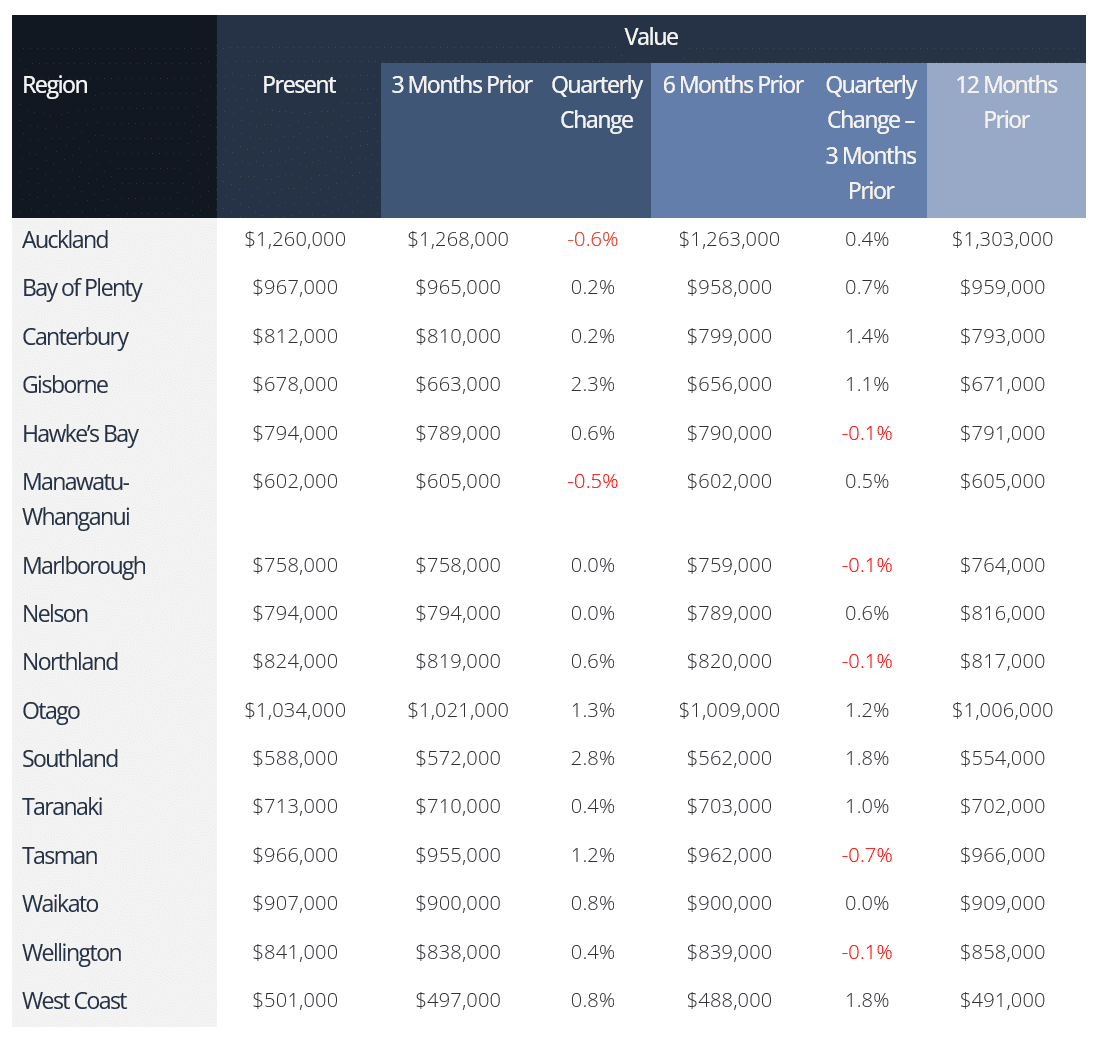
At a regional level, there was mixed performance. Auckland and Manawatu-Whanganui experienced modest quarterly declines of 0.6% and 0.5% respectively. In contrast, Gisborne and Southland led early-year growth, with increases of 2.3% and 2.8% year-to-date. The Wellington region also returned to positive territory, recording a 0.4% gain over the quarter.
Inflation currently sits at 3.1%, above the Reserve Bank of New Zealand’s target band. The upcoming CPI release on 21 April, covering Q1 2026, is expected to reflect only a partial impact of recent fuel price increases. The Treasury has outlined in mid-March a potential scenario in which inflation rises to 3.7%, driven by sustained fuel costs and broader price pressures. End-of-March projections indicate an upward trajectory for inflation to be higher than 3.7%, with the extent dependent on the duration of the Middle East conflict and the status of the Strait of Hormuz.
Retail mortgage rates also moved higher in March, reflecting increases in wholesale funding costs. This suggests the current interest rate cycle may have reached its low point, with the possibility of further increases should inflation remain elevated.
However, there are still signs of underlying resilience. Building consent volumes are showing early signs of recovery, the pace of net outward migration has eased, and net migration flows may be nearing a cyclical low. Regions with strong exposure to the dairy sector are expected to benefit from the $3.2 billion payout associated with the sale of Mainland Group to Lactalis, with distributions scheduled for April. The unemployment rate closed 2025 at 5.4%, with updated figures for Q1 2026 due in May. GDP increased by 0.2% in the December quarter, following a 0.9% rise in the September quarter.
Nevertheless, rising fuel costs and mortgage rates continue to place pressure on household disposable incomes. At the same time, uncertainty surrounding the Middle East conflict is weighing on consumer confidence, presenting a continued headwind to both economic recovery and housing market momentum.
Reflecting this major shift, four of the five major banks revised their 2026 house price forecasts by the end of March, moving from expectations of modest growth to more neutral or negative outlooks. This adjustment reflects growing caution across the property sector, as well as uncertainty in the wider economy.
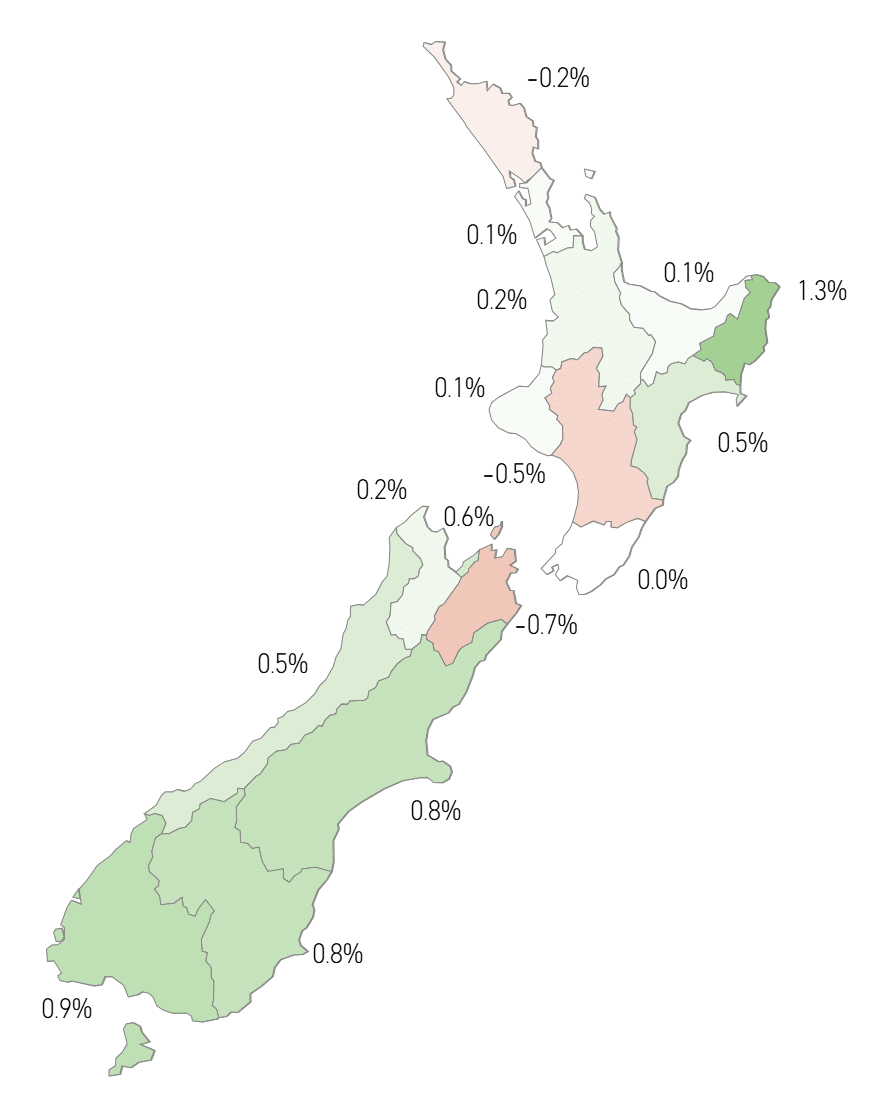
Figure 1: Valocity Value Index Movement by Region
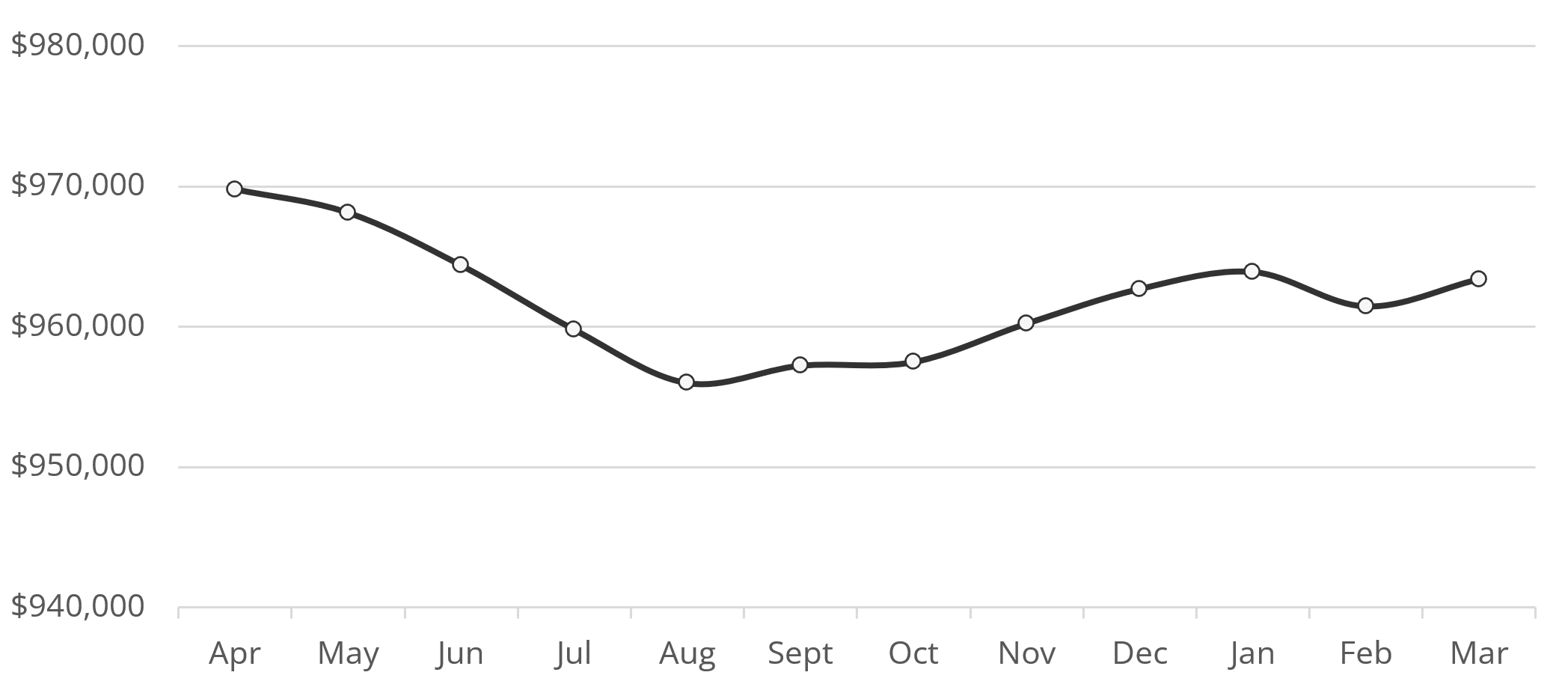
Figure 2: Valocity Value Index – New Zealand – Past 12 Months
The Reserve Bank of New Zealand’s Monetary Policy Committee is scheduled to meet on 8 April, although the data available ahead of the decision is unlikely to fully capture the economic implications of the ongoing conflict. The Governor has indicated that the Committee does not intend to adjust the Official Cash Rate (OCR) in direct response to rising oil prices, which are currently contributing to higher headline inflation.
Instead, the Committee is expected to look through the initial price shocks and maintain a medium-term policy focus. However, should inflationary pressures prove more persistent, this could bring forward the timing of OCR increases relative to current market expectations. It is also important to note that recent increases in mortgage rates have been driven primarily by movements in wholesale funding costs, rather than any change to the OCR.
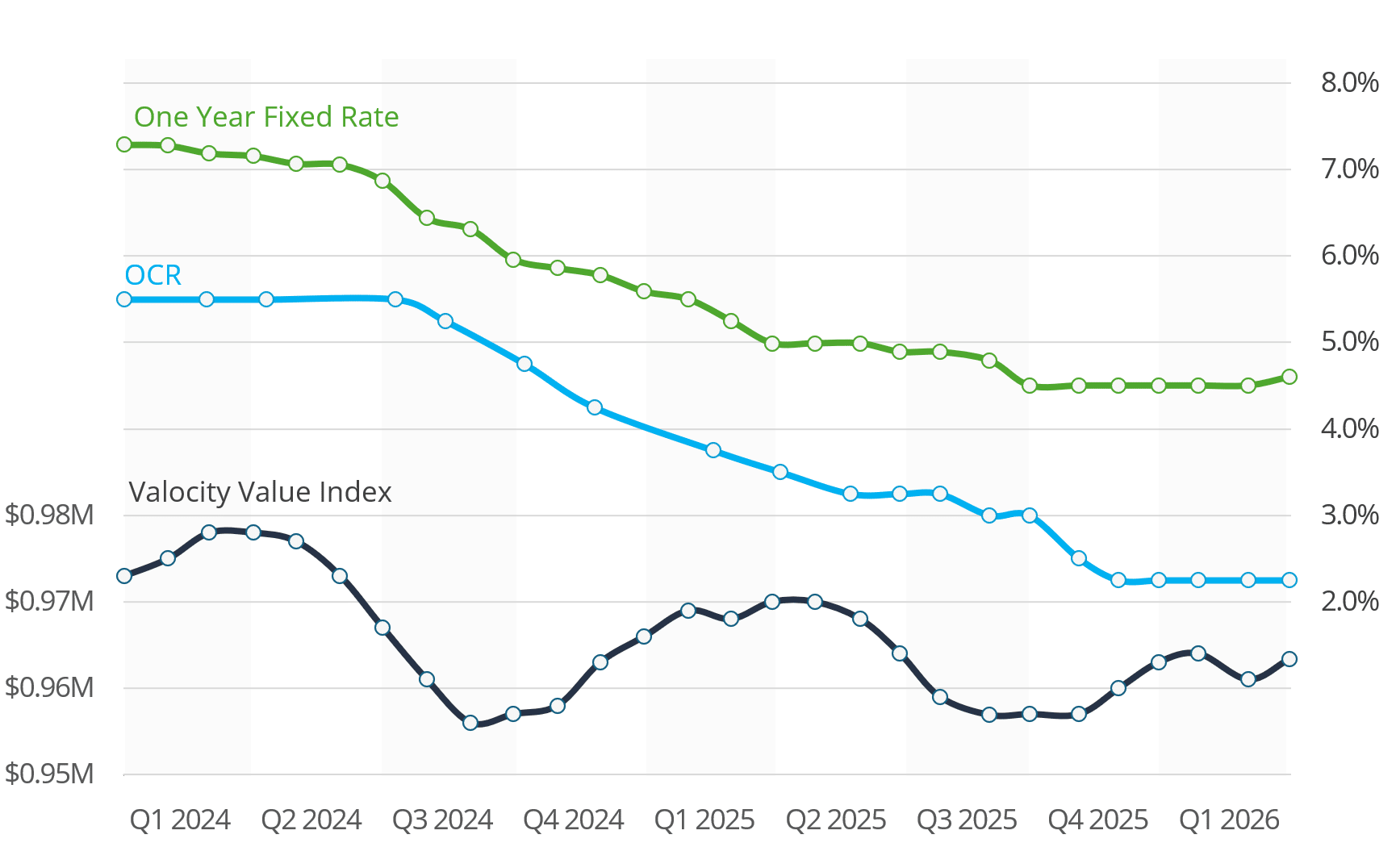
Figure 3: Valocity Value Index and Benchmark Rates
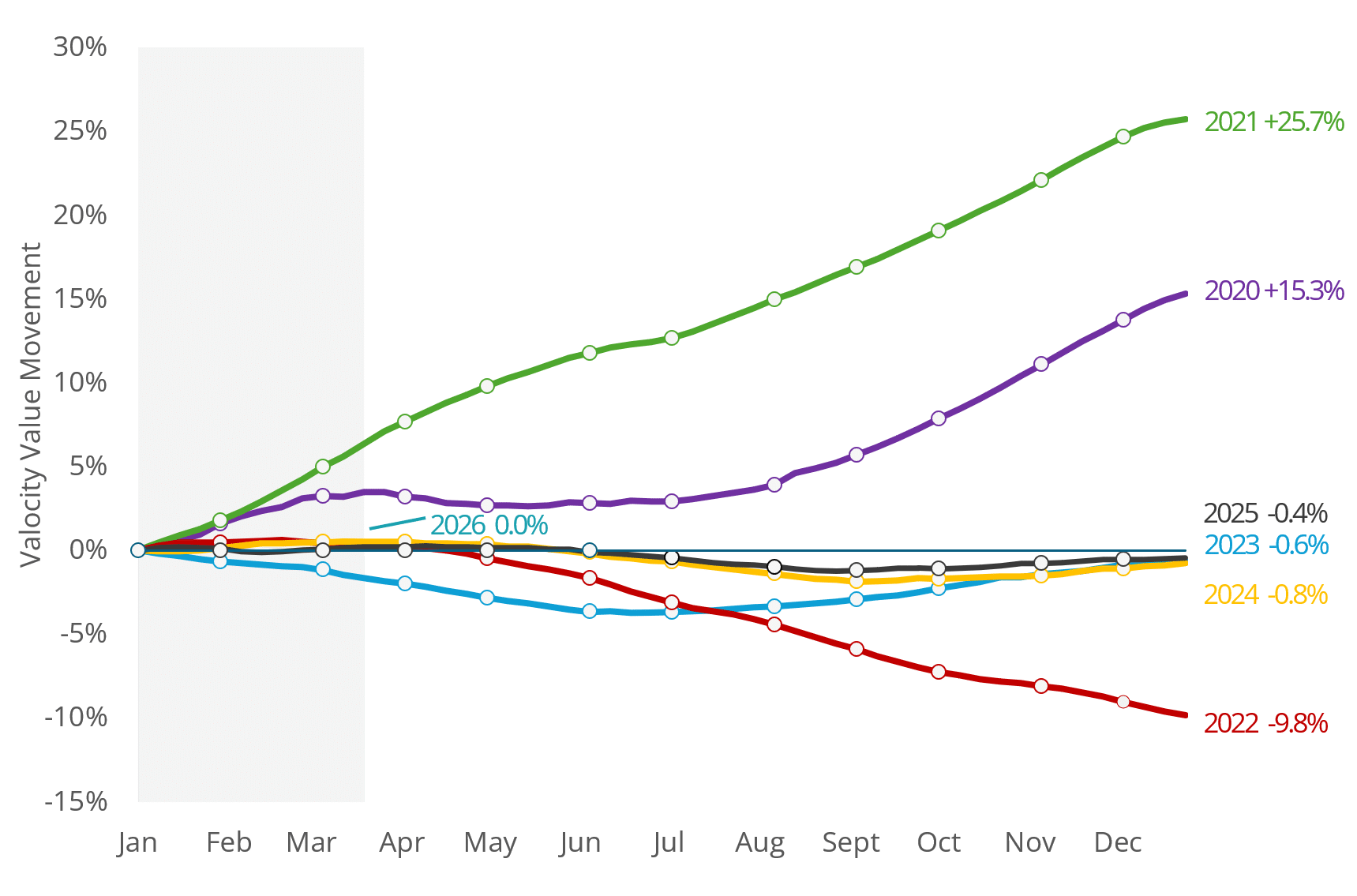
Figure 4: Valocity Value Index Movement – Year on Year Comparison
The national median sale price has fallen from $790,000 in Q4 2025 to $740,000 in Q1 2026 to date, despite mortgage rates remaining near cyclical lows. Market activity slowed over the New Year period.
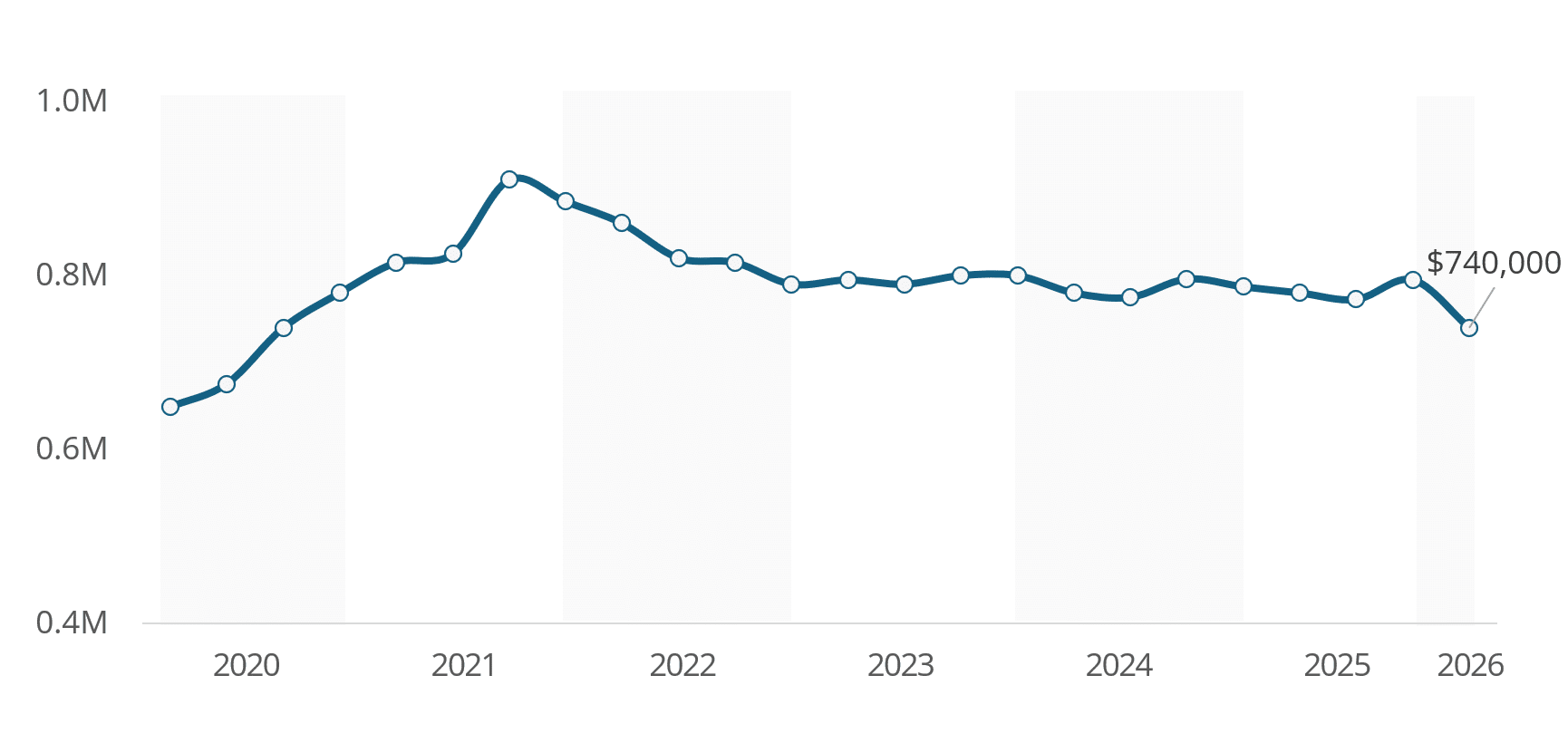
Figure 5: Median Sales Price (Settled Sales Only)
Net migration is showing early signs of recovery, with a net gain of 23,200 people recorded in the year ending January 2026. The net loss of New Zealand citizens also eased to 37,000, down from 43,600 in the preceding year.
This improvement reflects a 5% decline in departures alongside a 12% increase in arrivals over the same 12-month period, indicating that outward migration pressures may be beginning to moderate.
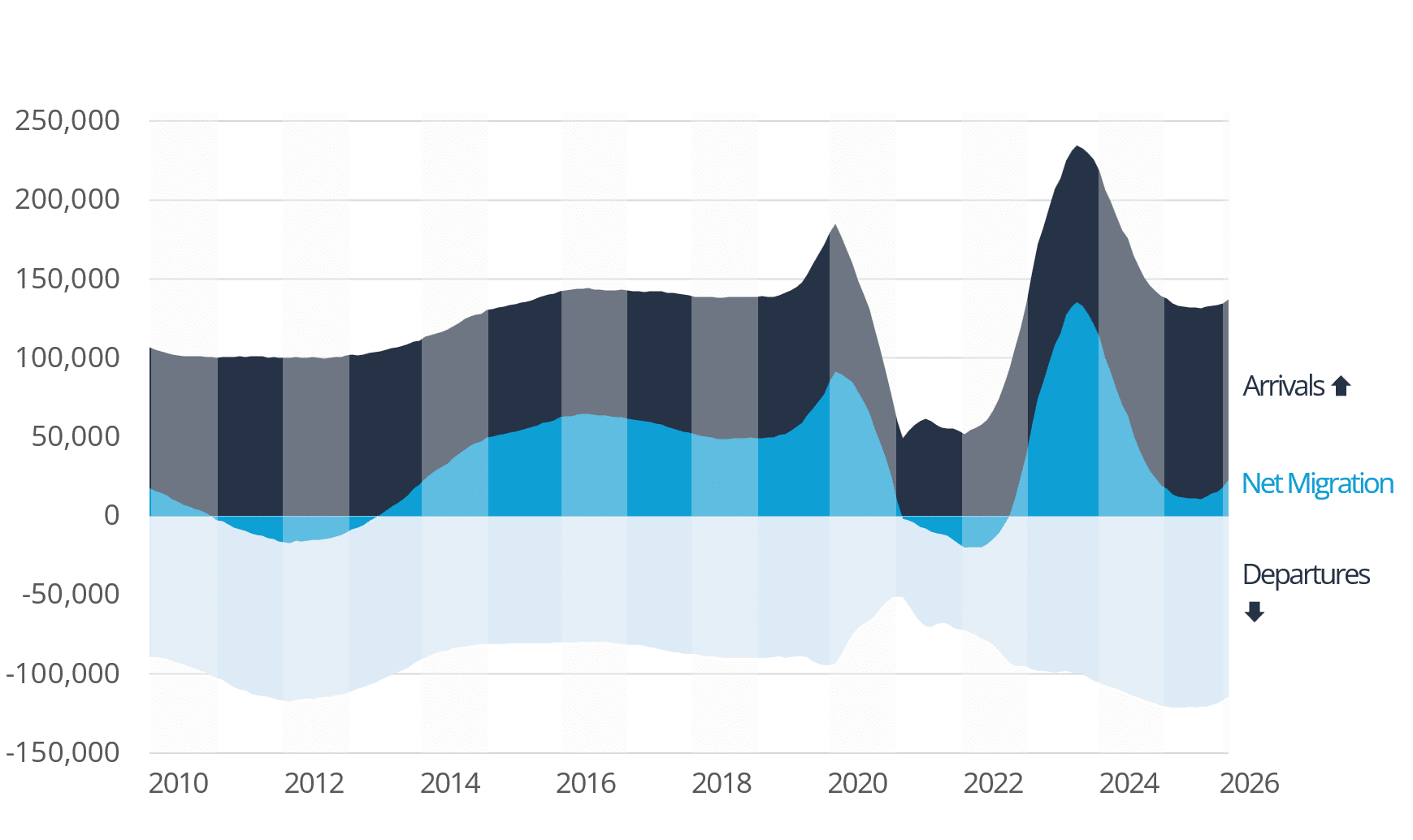
Figure 6: Annualised Net migration (Statistics NZ)
Construction
A total of 36,944 new homes were consented in the 12 months to January 2026, marking a 9% increase compared with the previous year. Auckland led the recovery, with consent volumes rising 13% year-on-year.
Rising oil prices are likely to place upward pressure on construction costs, given the extensive use of petroleum-derived materials across the building supply chain – including PVC piping, insulation boards, roofing membranes, and adhesives. If these pressures persist, they may weigh on the viability of new builds and further dampen building activity.
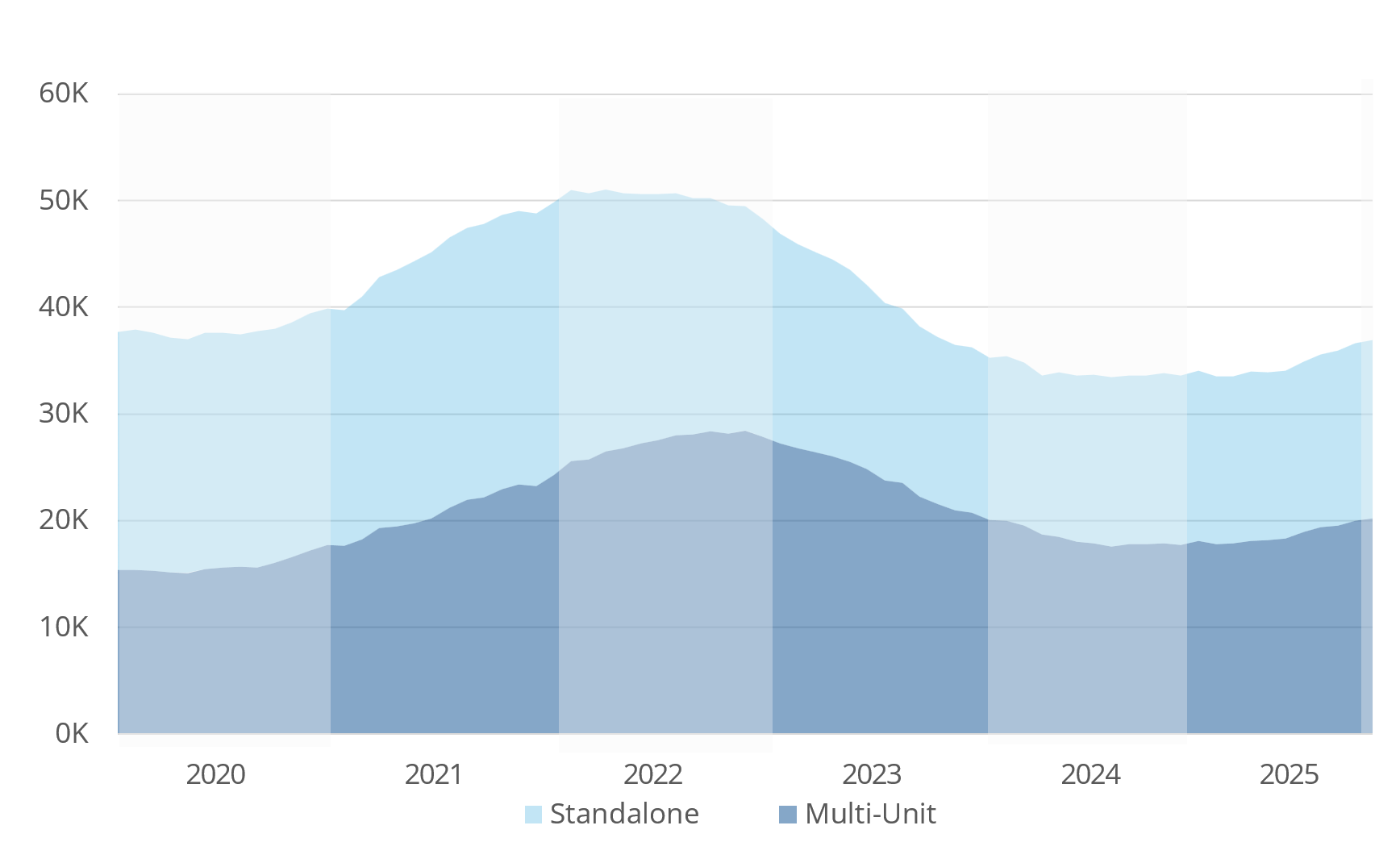
Figure 7: Composition of New Homes Consented – Annualised (Statistics NZ)
Valocity values
On the horizon
- Building Consent Statistics from Stats NZ – 1st April 2026
- Monetary Policy Statement and OCR Review – 8th April 2026
- Consumer Price Index data from Stats NZ – 21st April 2026
For further information, or if you would like to understand more about New Zealand housing market insights please contact [email protected].