

Brought to you by Senior Research Analyst Wayne Shum
A winter lull up north, resilience down south. Regional divergence defines June 2026
The national Valocity Value Index declined by 0.4% over the past month and 0.3% over the quarter, reflecting a housing market that has remained broadly weak. Regional divergence continues to define the current market cycle, with Auckland and Wellington recording the weakest performance. Auckland values fell 0.4% over the month, plagued by a weak employment market, and high listing volume, while Wellington declined by 0.5%. In contrast, seven South Island territorial authorities reached record-high values in June, including the Queenstown-Lakes District, driven by the strong tourism and rural sector.
The broader economic recovery that had been building prior to the conflict in the Middle East has since stalled, with rising costs and heightened uncertainty undermining momentum. GDP growth was just 0.8% for both the March quarter and the year to March 2026. The full impact of the conflict will not be reflected until the second-quarter data is released in September. However, the outlook for Q2 is considerably weaker as the economy continues to absorb higher input costs.
The temporary ceasefire and gradual reopening of the Strait of Hormuz have helped ease inflationary pressures, with CPI currently sitting at 3.1%. Treasury continues to forecast inflation to remain high in 2026 and return to the Reserve Bank’s 2% midpoint by 2027. Some input costs had fallen, with fuel cost falling towards the end of June, but still higher than pre-conflict level. Lenders continued to price in further increases to the Official Cash Rate in the latter half of 2026.
This mixed inflation outlook is now flowing through to mortgage pricing. Towards the end of June, several major lenders reduced selected longer-term fixed rates while increasing shorter-term rates, reflecting wholesale market expectations of near-term inflationary pressure easing further out. For buyers, the combination of softening values, elevated listings and easing longer-term rates continues to tilt conditions in their favour, though cautious sentiment is keeping many on the sidelines.
The upcoming General Election added a further layer of uncertainty, with some potential buyers delaying their purchasing decisions until the political and market outlook became clearer.
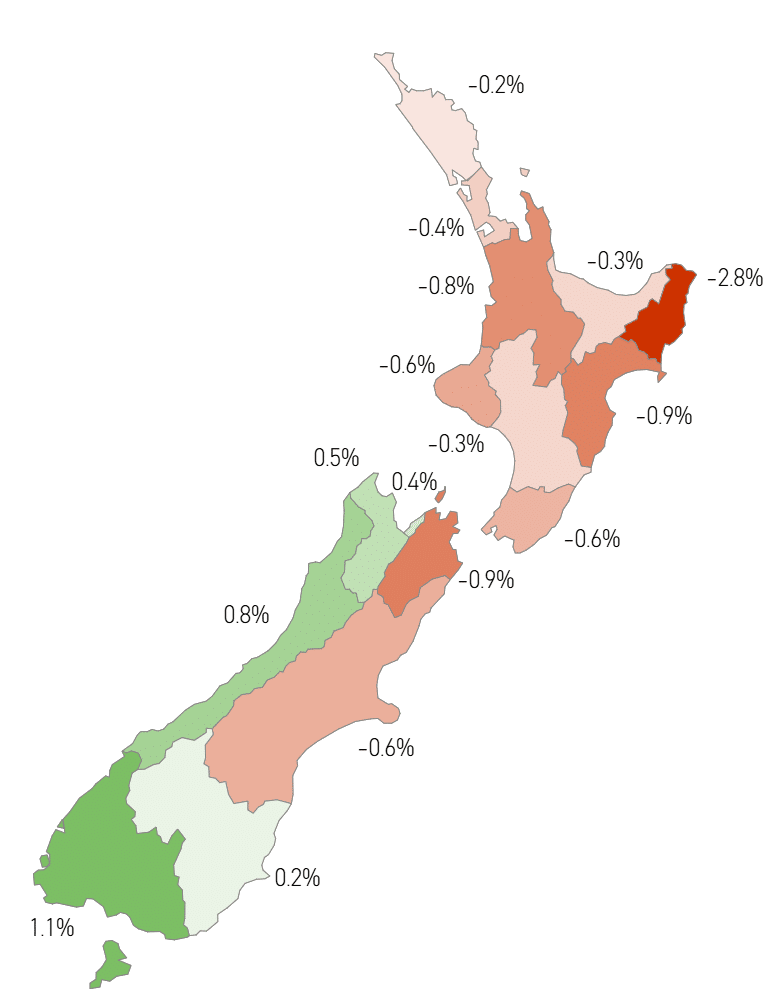
Figure 1: Valocity Value Index Monthly Movement by Region
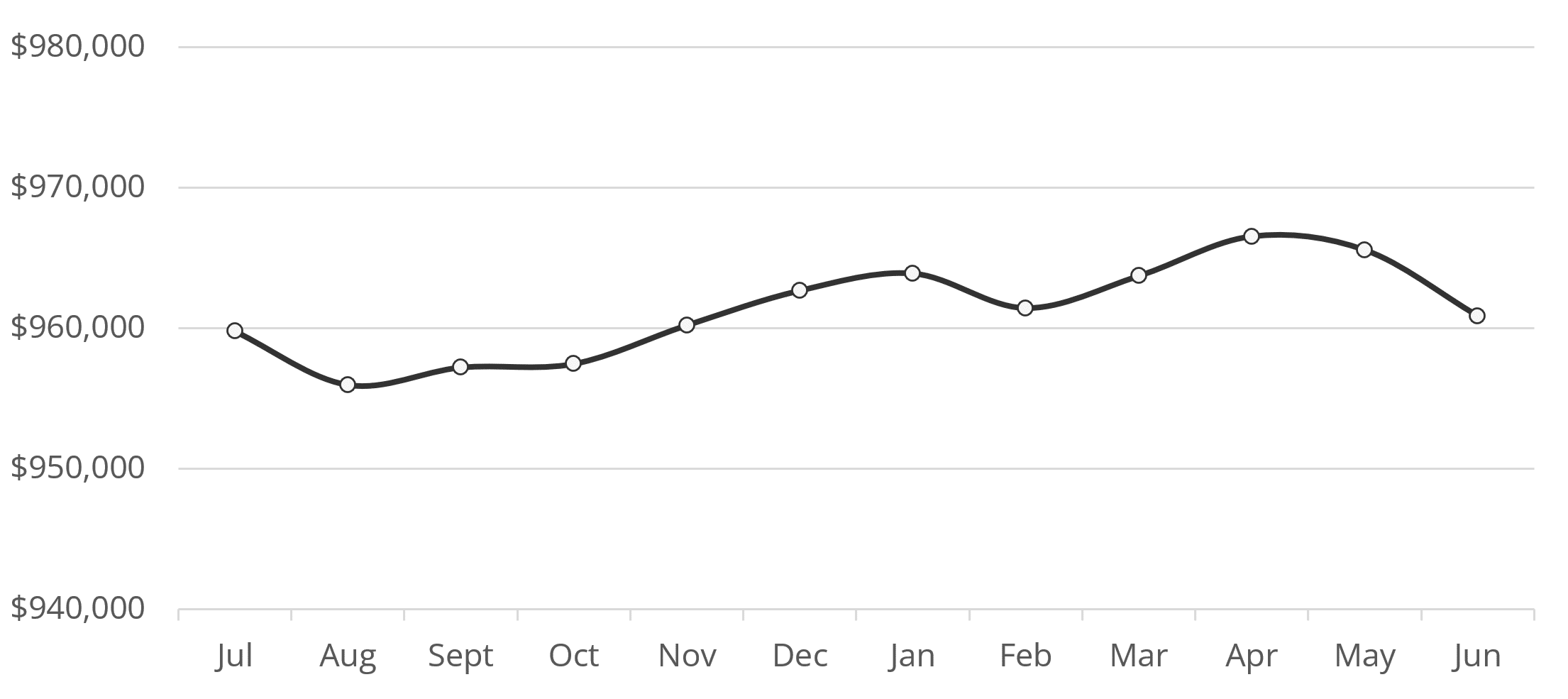
Figure 2: Valocity Value Index – New Zealand – Past 12 Months
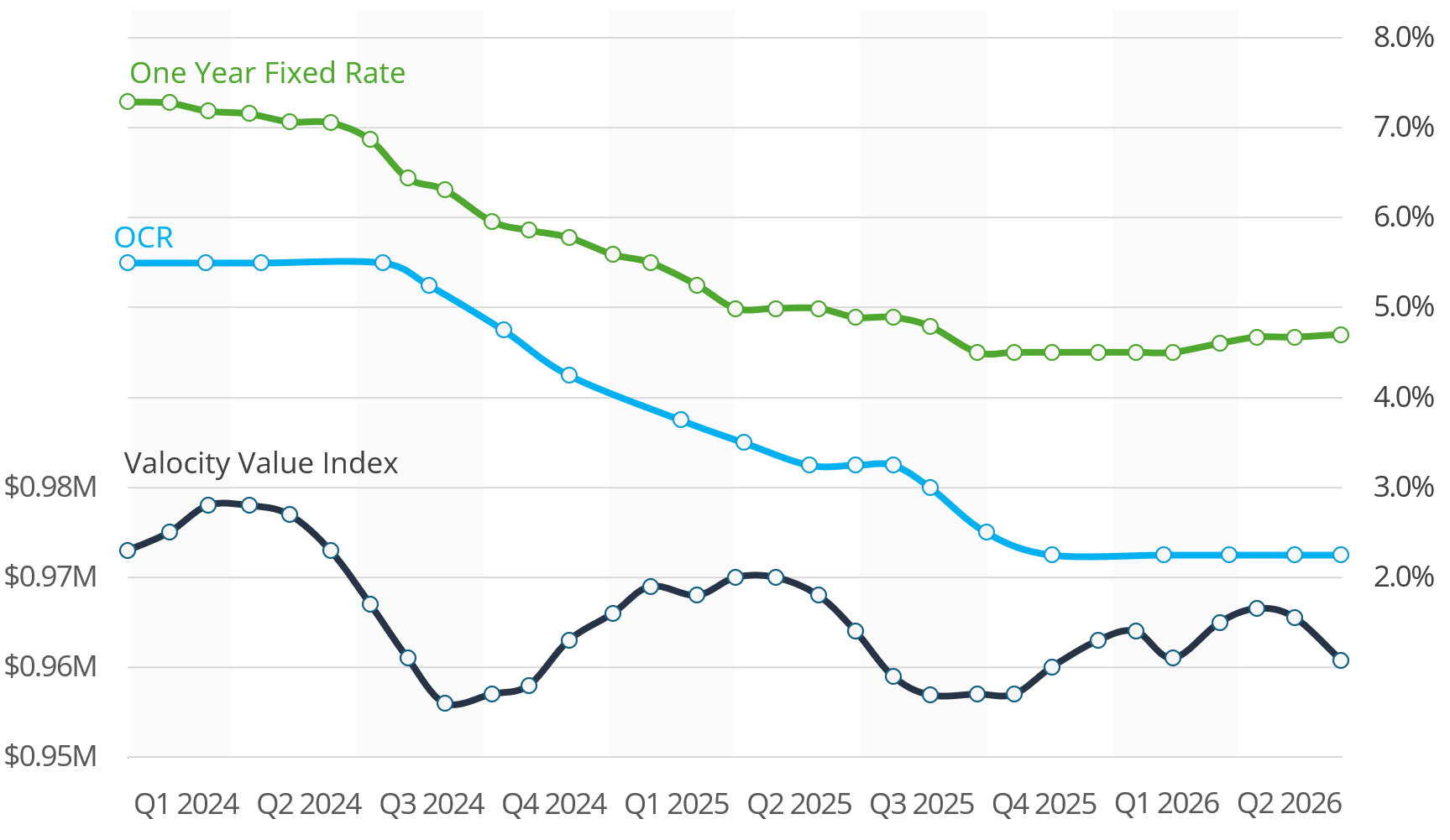
Figure 3: Valocity Value Index and Benchmark Rates
Value movements in 2026 have continued to follow a similar pattern to 2024 and 2025, with changes remaining relatively modest. The major banks are now forecasting slight declines over the remainder of 2026, before a modest recovery is expected to emerge during 2027.
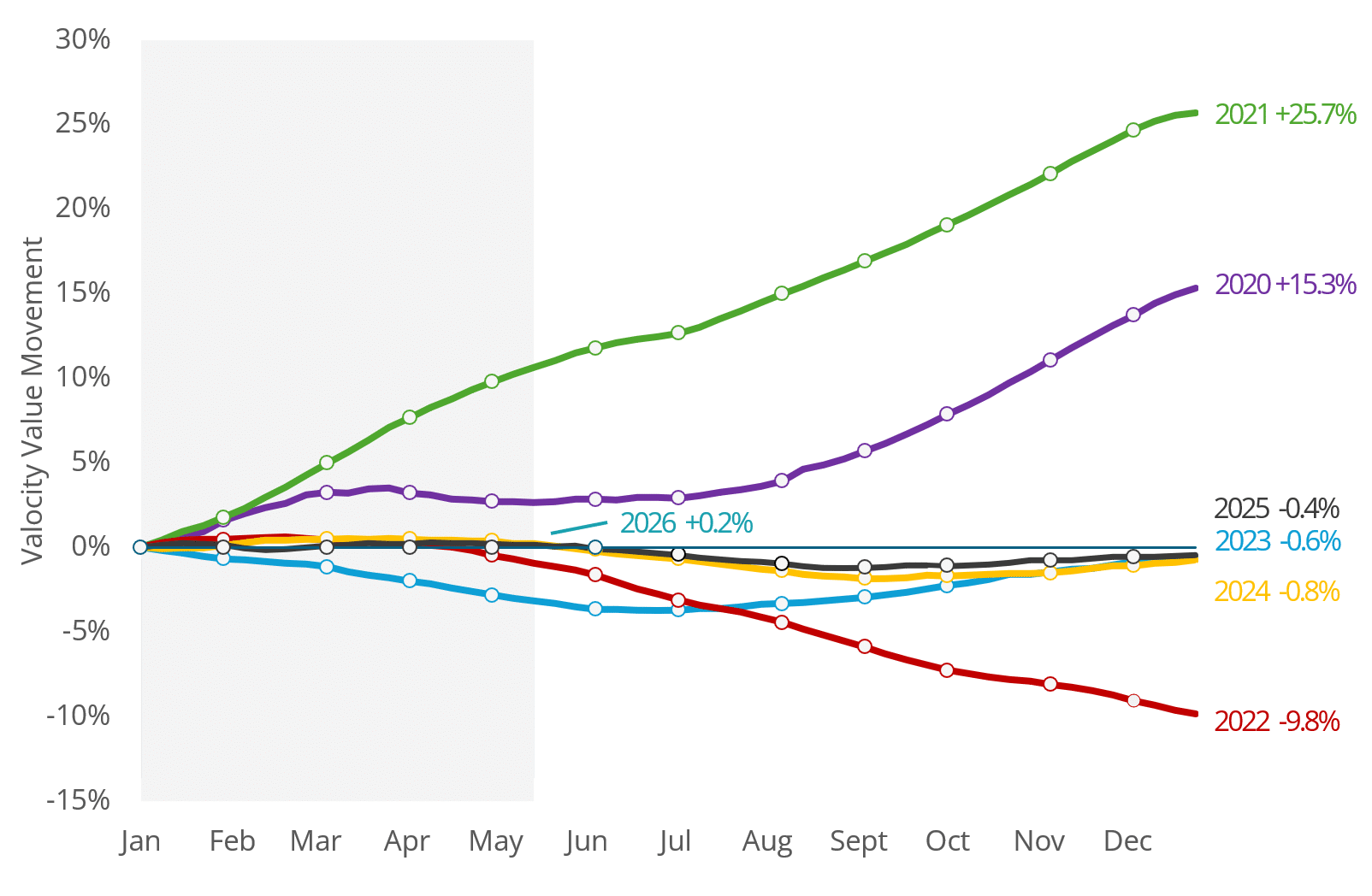
Figure 4: Valocity Value Index Movement – Year on Year Comparison
The national median sale price has fallen to $766,000 in Q2 2026, the lowest since Q1 2021.
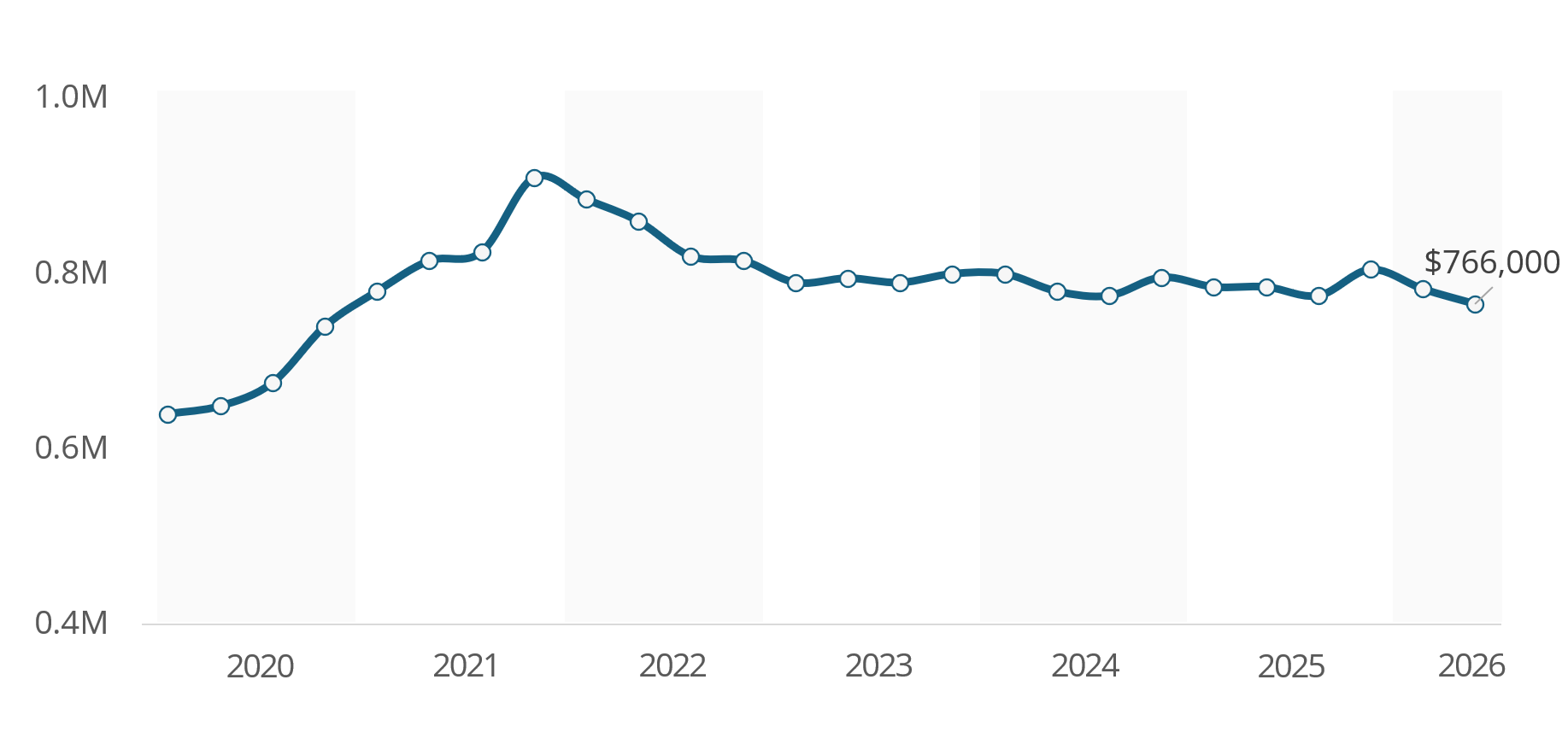
Figure 5: Median Sales Price (Settled Sales Only)
Net migration is showing tentative signs of recovery, but not at a level sufficient to absorb the current volume of housing listings. Instead, many recent arrivals are contributing to rental demand rather than entering the housing market.
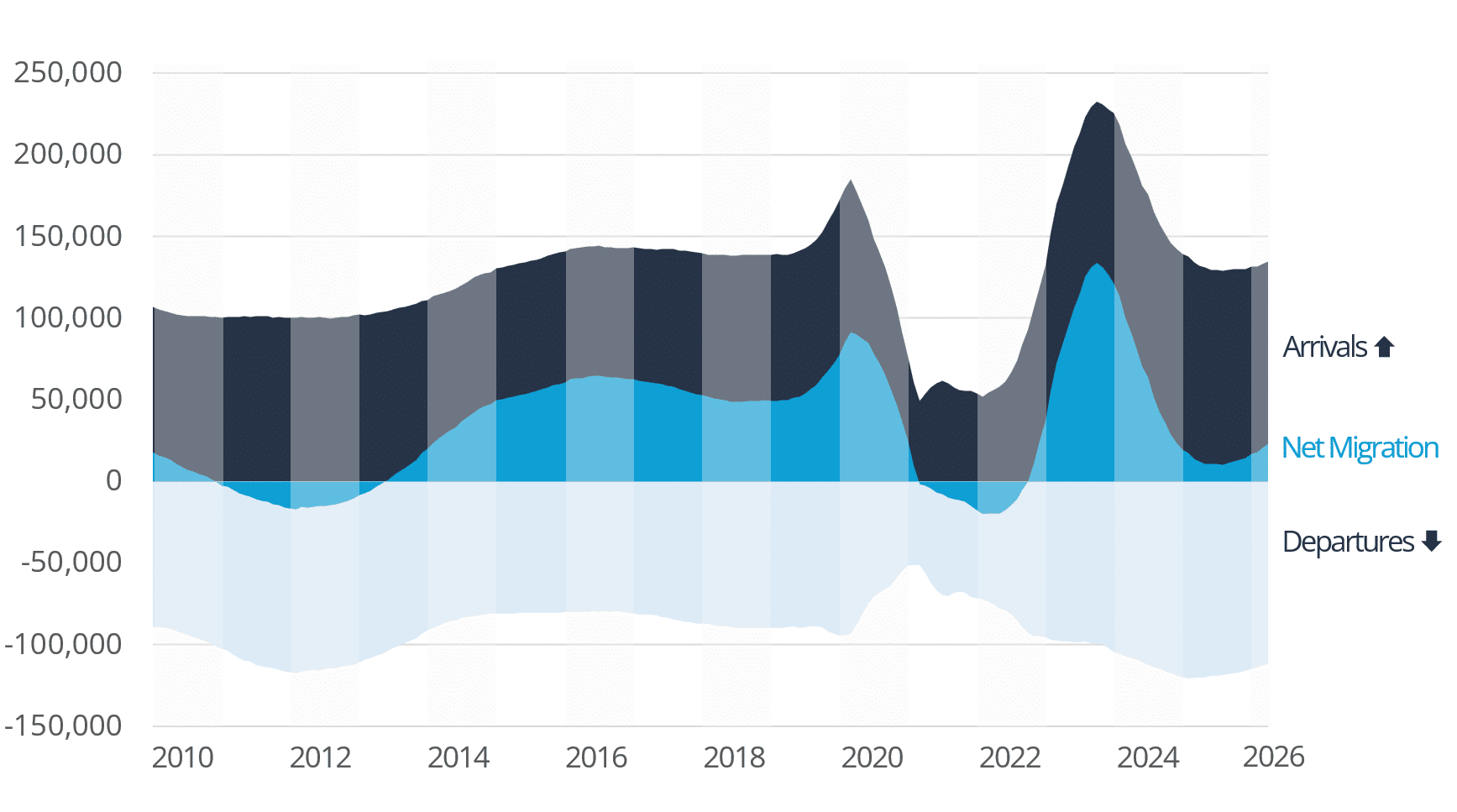
Figure 6: Annualised Net migration (Statistics NZ)
Construction
New dwelling consents totalled 39,087 in the 12 months to April 2026, an 11% increase on the prior year and a welcome sign of recovery in pipeline supply. Canterbury led the rebound, with consent volumes rising 29% year-on-year.
Auckland Council is still reviewing Plan Change 120 after the Government reduced the region’s 2 million-home capacity to a minimum of 1.4 million. The focus remained on intensification around the City Rail Link (CRL) and transport hubs, as well as away from natural hazards.
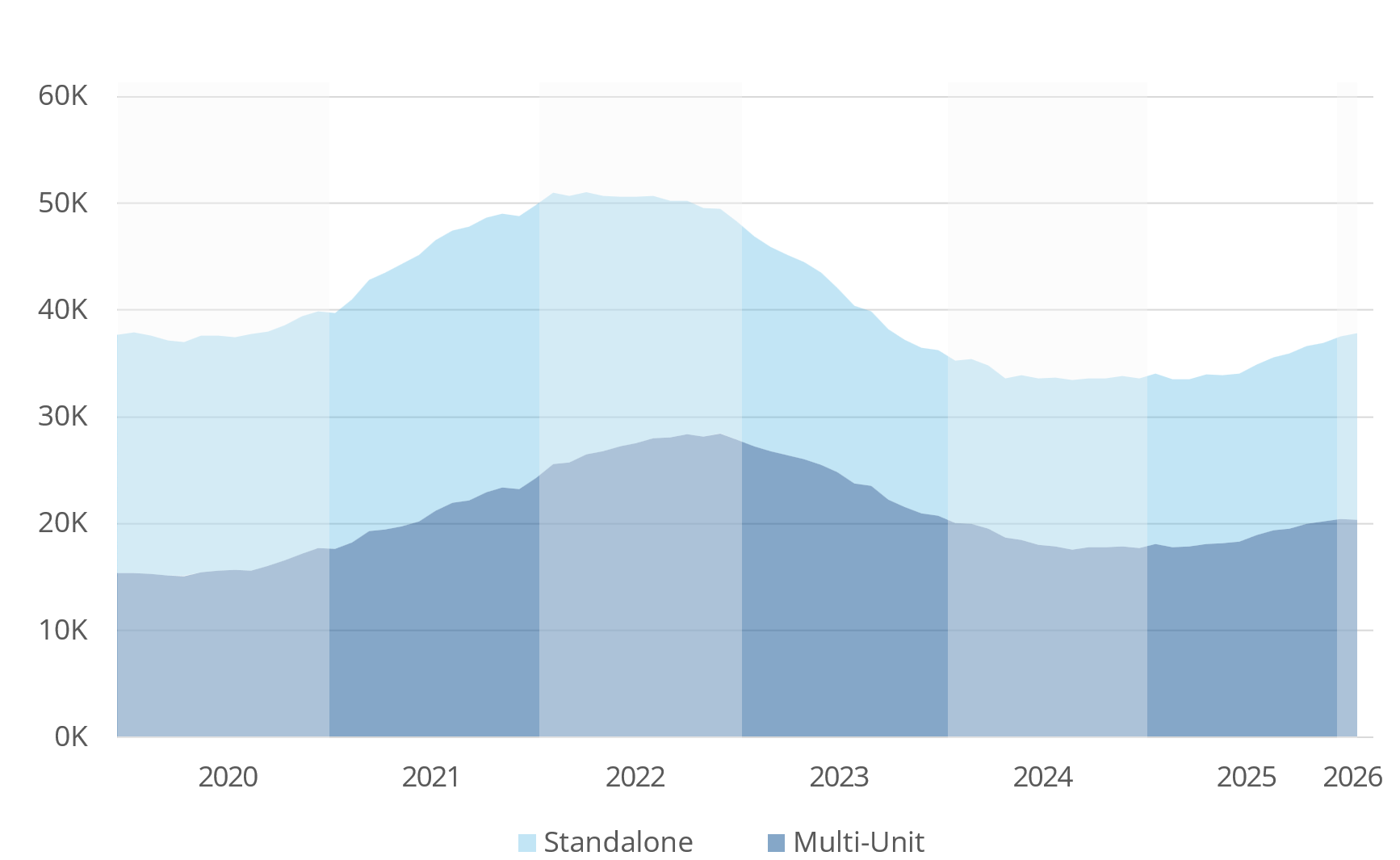
Figure 7: Composition of New Homes Consented – Annualised (Statistics NZ)
Valocity values
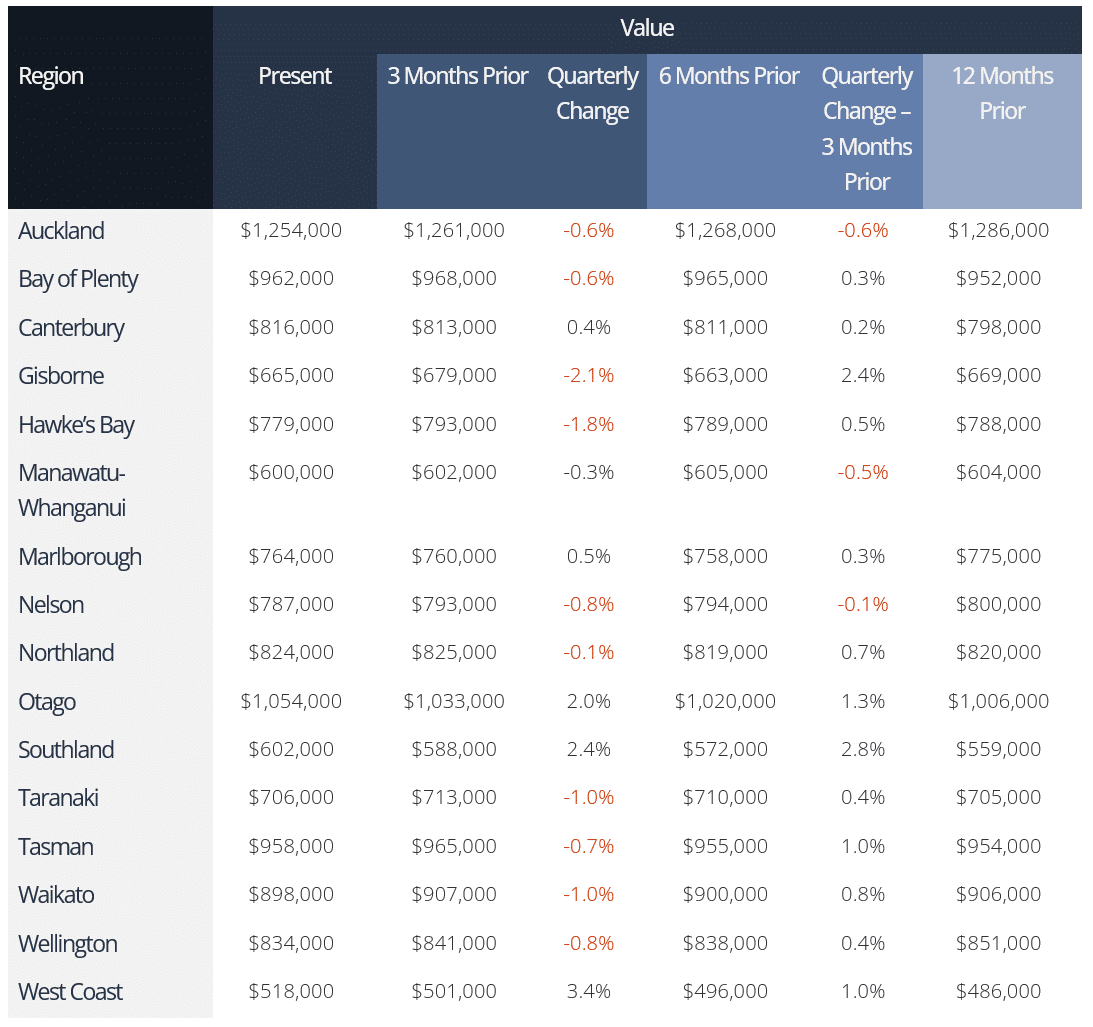
On the horizon
- Monetary Policy Statement and OCR Review – 8th July 2026
- Consumer Price Index (CPI) – 21st July 2026
- Unemployment Rate – 5th August 2026
- Gross Domestic Product – 17th September 2026
- General Election – 7th November 2026
For further information, or if you would like to understand more about New Zealand housing market insights please contact [email protected].